Contents
- Dividing the Work Between the UPS and the Generator
- Why an Online UPS?
- What Size UPS? A Worked Example (Hatchery)
- Battery Runtime: What If There Is No Generator?
- Dust, Humidity and Temperature
- Critical Hours in Hatcheries
- Greenhouse Automation and Irrigation
- Rural Power Infrastructure and Lightning
- Frequently Asked Questions
In livestock and agricultural facilities, a power outage carries a direct risk of losing animals and crops. If temperature and humidity in an incubator are uncontrolled for a few hours, egg development can be affected; if the climate control panel in a poultry house shuts down, ventilation stops; in a greenhouse, irrigation and heating automation goes offline. In rural areas the mains fails more often and voltage fluctuations are more common, increasing the risk of electronic control board failures.
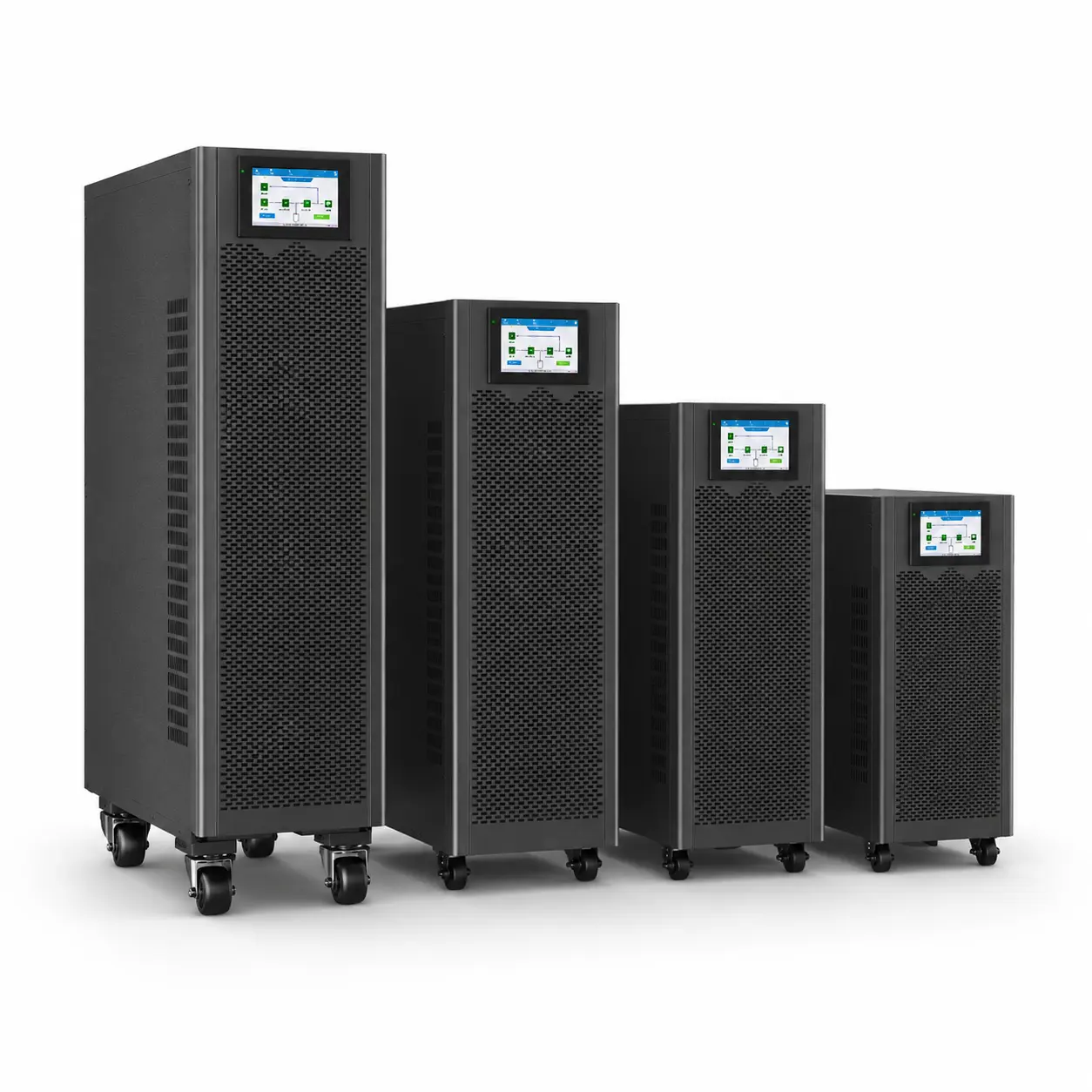
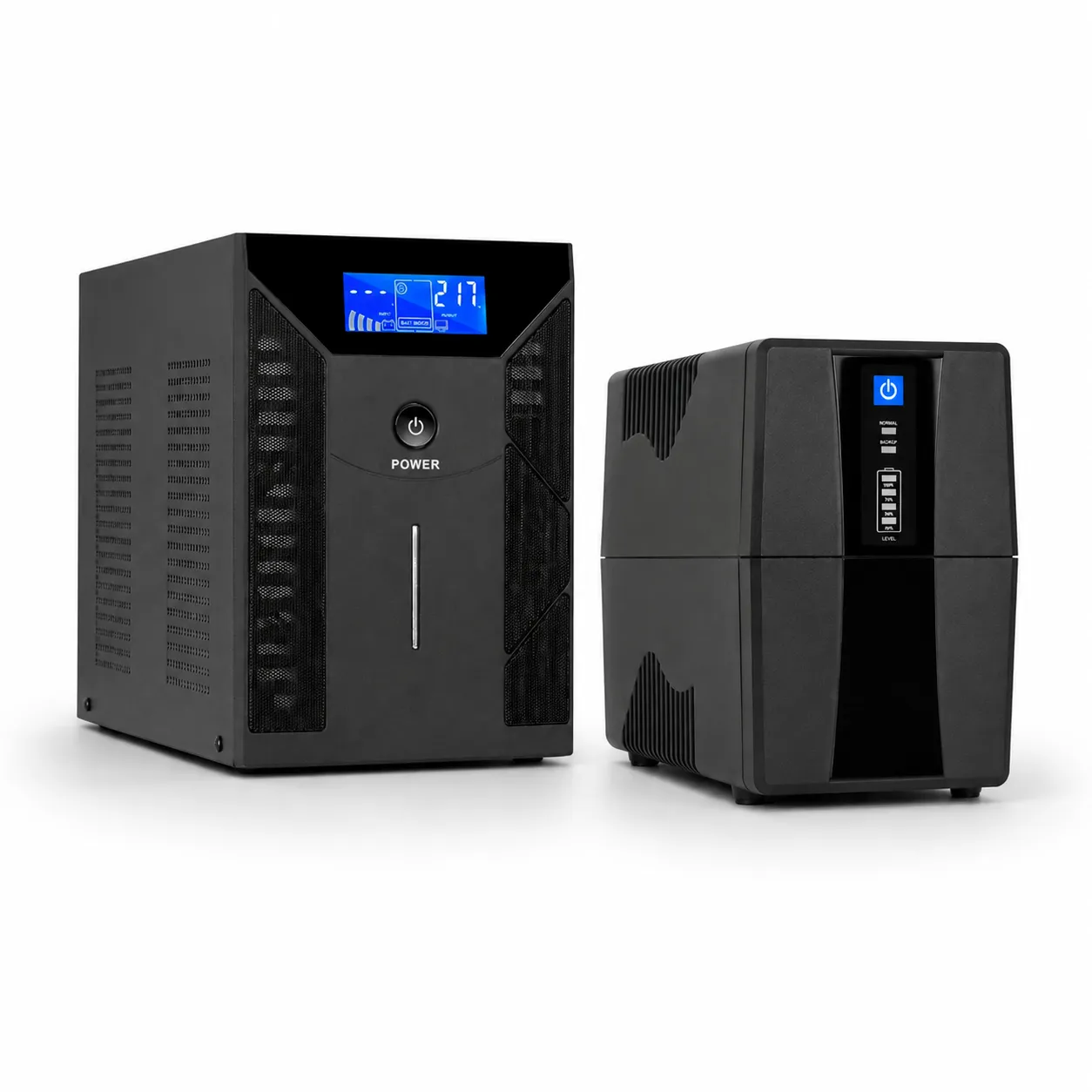
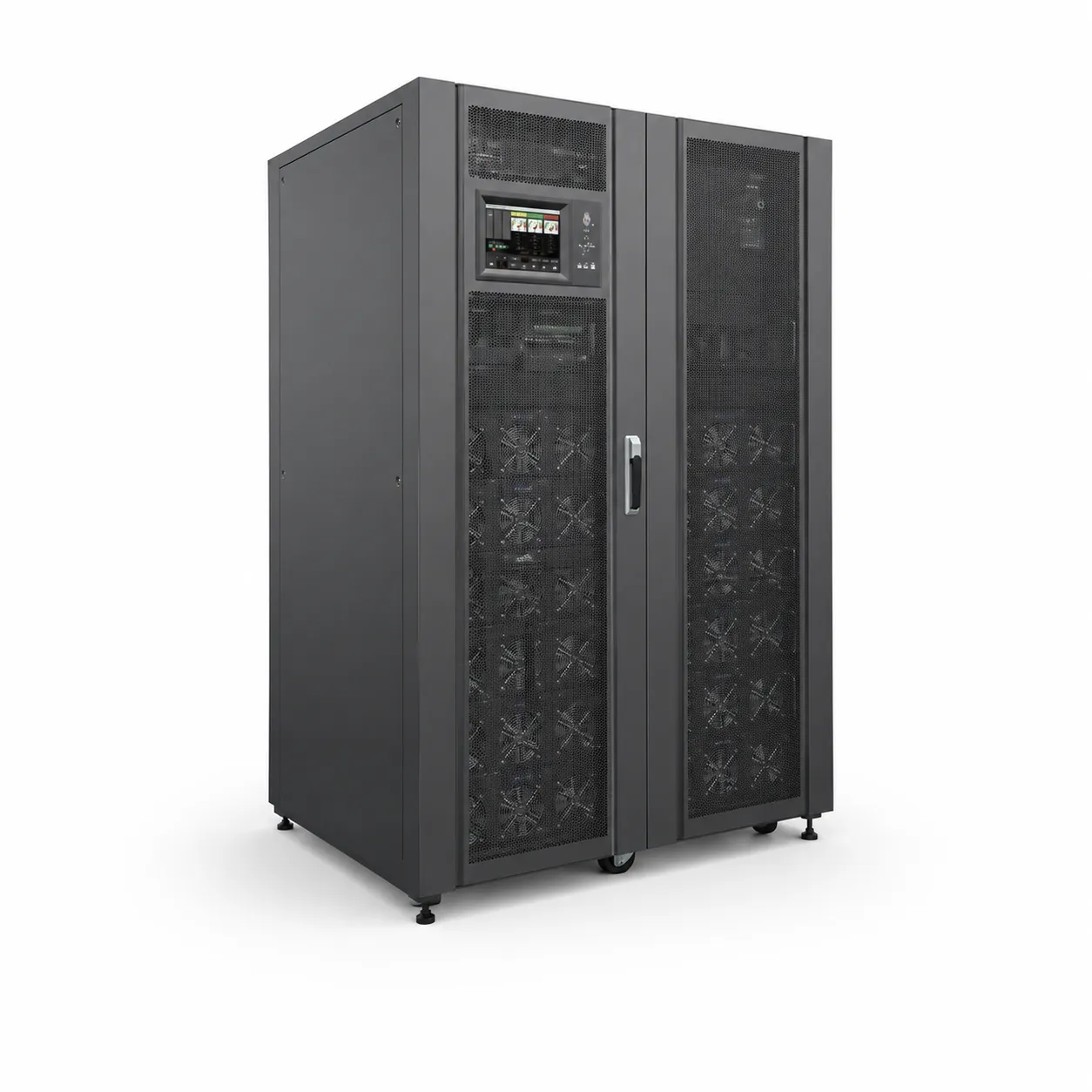
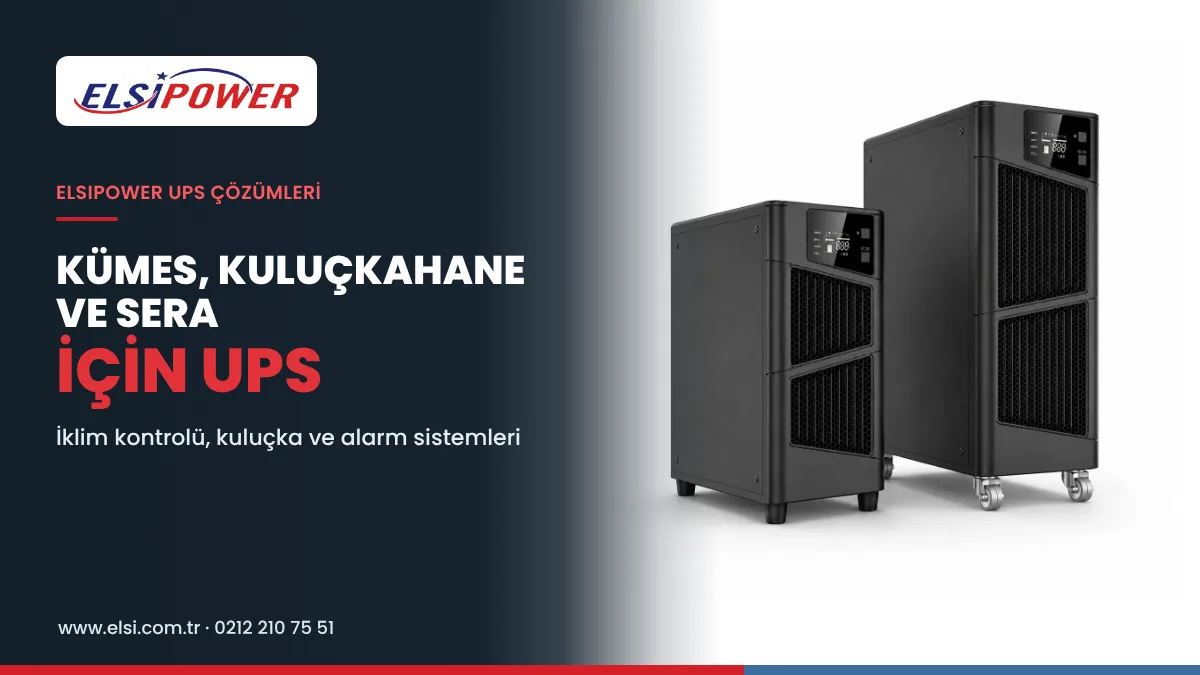
In this article we share what to consider when choosing an uninterruptible power supply (UPS) for poultry houses, hatcheries and greenhouses, with a worked example.
Dividing the Work Between the UPS and the Generator
The largest loads in poultry houses and greenhouses are ventilation fans, heaters and pumps. Supplying these motor loads from a UPS requires very large capacity; the right solution for them is a generator. The UPS protects the electronic brain that controls these systems:
| Load | Source |
|---|---|
| Incubator control unit and turning motor | UPS |
| Climate control panel (poultry house / greenhouse) | UPS |
| Irrigation and fertigation automation control | UPS |
| GSM alarm and remote monitoring modem | UPS |
| Cameras and recorder | UPS |
| Ventilation fans, heaters, pumps | Generator |
During an outage the UPS keeps control systems running, the GSM alarm notifies the owner, and when the generator takes over, the climate control panel carries on managing fans and heaters where it left off. Panels do not reset and settings are not lost.
Why an Online UPS?
Rural generators and long mains lines produce unstable power. An online UPS filters voltage and frequency fluctuations and supplies control boards with stable, clean power, preventing the “burnt board” faults most commonly seen at rural sites. If mains voltage is constantly low or high, using it together with a voltage regulator for the whole facility is recommended. You can also read do voltage fluctuations damage equipment.
What Size UPS? A Worked Example (Hatchery)
| Load | Estimated power |
|---|---|
| 2 incubator controls and turning (2 × 250 W) | 500 W |
| Climate control panel | 150 W |
| GSM alarm and modem | 30 W |
| Camera recorder and cameras | 150 W |
| Total | 830 W |
830 W ÷ 0.9 ≈ 920 VA; with a 25% safety margin ≈ 1.2 kVA. Given long rural outages, a 2 kVA online UPS with external batteries is a suitable solution for this facility. If the incubators’ heating elements are to be put on the UPS, the power rises considerably and must be calculated separately using the manufacturer’s values.
Battery Runtime: What If There Is No Generator?
In facilities with a generator, 10–20 minutes of UPS runtime is enough. In small operations without a generator, control systems and the alarm may need to run for hours, in which case an external battery bank is added to the UPS. See how long a UPS runs for the runtime calculation.
Dust, Humidity and Temperature
Poultry houses are dusty and greenhouses are humid. The UPS and batteries should be installed outside the animal or plant area, in a dry, cool, ventilated technical room. Dust can clog UPS fans and heat shortens battery life. At a check at least once a year, fans should be cleaned and batteries tested; our technical service team can help.
Critical Hours in Hatcheries
Incubators must keep temperature and humidity within a narrow range and turn eggs regularly. If the incubator’s control unit shuts down during an outage, some models may reset their settings or disrupt the turning cycle when power returns. With the control unit on the UPS, the machine doesn’t “feel” the outage; settings are kept and the alarm system keeps working. Heaters are handled by the generator or, during short outages, by the machine’s own thermal inertia.
Greenhouse Automation and Irrigation
In modern greenhouses, the climate computer controls vents, misting, screen systems, heating and irrigation-fertigation units. If this computer shuts down during an outage, crops can be lost, especially on hot summer days or nights with frost risk. A climate computer protected by a UPS:
- raises an alarm and notifies the owner when an outage occurs,
- carries on managing systems where it left off when the generator takes over,
- prevents irrigation programmes and sensor logs from being lost.
Rural Power Infrastructure and Lightning
In rural areas, long overhead lines mean lightning-induced surges are more frequent. A UPS alone does not provide full protection against every surge; the site entry should have suitable surge protection and a good earthing system. An online UPS used together with this infrastructure greatly extends the life of control systems. Earthing and protection needs are assessed during the site survey before installation.
Frequently Asked Questions
Can I connect the fans to the UPS?
It may be possible for a few emergency fans in small facilities, but fan motors have high starting currents and make the UPS larger. Usually fans run from the generator and control systems from the UPS.
Can I get a notification on my phone during an outage?
Yes. A GSM alarm on the UPS can alert you by SMS or call when an outage occurs. Some UPS units can also send email alerts via a network card.
Is a line-interactive UPS enough for greenhouse automation?
It may be enough for small panels where the mains is stable, but at sites that run on generators and see frequent fluctuations, an online UPS is safer.
My generator doesn’t start automatically. How useful is a UPS then?
With manual generators, the UPS is sized to cover the time it takes you to reach the site and start the generator. Battery runtime is therefore chosen longer, and the GSM alarm must be on the UPS.
Does battery performance drop in winter cold?
Yes, battery capacity falls at very low temperatures, while excessive heat shortens battery life. Keeping batteries in a technical room with controlled temperature is recommended.
A UPS and battery plan for your facility
Tell us about the control systems in your poultry house, hatchery or greenhouse; together we will plan an online UPS, battery runtime and, if needed, a voltage regulator solution. You can call us on 0212 210 75 51 or send an email to elsi@elsi.com.tr.