Contents
- What Is Voltage Fluctuation?
- Causes of Voltage Fluctuation
- Symptoms of Voltage Fluctuation
- Which Devices Does Voltage Fluctuation Damage, and How?
- How to Protect Against Voltage Fluctuation
- Regulator or UPS?
- Common Mistakes
- Why Is Voltage Measurement Important?
- Different Approaches for Homes, Businesses and Factories
- Frequently Asked Questions
Lights dimming for a moment and brightening again, the fridge making unusual noises, or the boiler going into fault for no reason… What these have in common is very often the same thing: voltage fluctuation. So does voltage fluctuation really damage appliances? The short answer: Yes, it can cause both sudden damage and wear that builds up over time.
In this guide we explain in plain language what voltage fluctuation is, which symptoms reveal it, how it affects different devices, and how you can protect yourself at home, at work or in a factory.
What Is Voltage Fluctuation?
In Turkey, the mains voltage supplied to homes and businesses is defined as 230V single-phase and 400V three-phase. Devices are designed to work without problems within a certain tolerance around this value. Voltage fluctuation is when the mains voltage falls noticeably below this value, rises above it, or changes frequently within a short time.
Fluctuation is not all of one kind. Different types affect devices in different ways:
| Type | What happens? | Typical effect |
|---|---|---|
| Undervoltage | Voltage stays below normal for a long time | Motors overheat, devices reset |
| Overvoltage | Voltage rises above normal | Electronic boards and adapters burn out |
| Sag (dip) | Voltage drops briefly and returns | Computers, boilers and PLCs switch off or show errors |
| Surge (spike) | Very brief high-voltage spike | Sudden damage to sensitive electronics |
| Phase imbalance | Phases are at different voltages on three-phase | Heating and loss of efficiency in three-phase motors |
Causes of Voltage Fluctuation
- Heavy loads switching on: When large motors, welding machines, lifts or air conditioners on the same line start, the voltage drops.
- Long supply lines: In areas far from the transformer, especially rural areas and the ends of housing estates, the voltage stays lower.
- Transformer capacity at its limit: As local consumption grows, voltage drops noticeably at peak hours.
- Faulty or inadequate wiring: Loose connections, undersized cables and neutral problems make the voltage unstable.
- Weather and grid faults: Lightning, storms and switching operations on the grid can cause sudden voltage spikes.
Symptoms of Voltage Fluctuation
Signs that there is fluctuation on your supply can usually be noticed in daily life:
- Lights flickering, dimming and brightening,
- The boiler, air conditioner or washing machine showing errors for no reason,
- Computers, modems or camera recorders restarting by themselves,
- Strain noises and overheating in fridges and motor-driven appliances,
- Adapters, chargers or electronic boards failing frequently,
- Problems that recur at certain times (evenings, shift changes).
These symptoms can also come from other faults. For a definitive answer, the mains voltage needs to be measured over a period of time.
Which Devices Does Voltage Fluctuation Damage, and How?
Devices with electronic boards
The electronic boards in boilers, air conditioners, televisions, computers and smart home devices are especially sensitive to overvoltage and sudden spikes. A single strong surge can burn out a board instantly, while repeated small fluctuations wear the components over time. Boilers are among the appliances with the most reported faults in this respect; we cover this separately in our article does a boiler need a regulator.
Motor-driven devices and compressors
Fridges, freezers, air conditioner compressors, pumps and industrial motors draw more current at low voltage to do the same work. This causes windings to heat up, insulation to deteriorate and motor life to shorten. Undervoltage is often a more insidious problem than overvoltage, because the damage builds up silently.
Computers, servers and data
Sudden voltage drops can cause computers and servers to shut down and open files and databases to become corrupted. Here the damage is not limited to hardware; lost work and lost data also result.
Industrial machinery
CNC machines, PLC and automation systems, laser cutters and medical devices are very sensitive to voltage changes. Production stoppages, scrapped products and drive failures are the most expensive consequences of fluctuation in industry. You can read more in our guide how to choose a voltage regulator for a CNC machine.
How to Protect Against Voltage Fluctuation
The right protection depends on the type of problem you have and the device you want to protect.
1. Voltage regulator
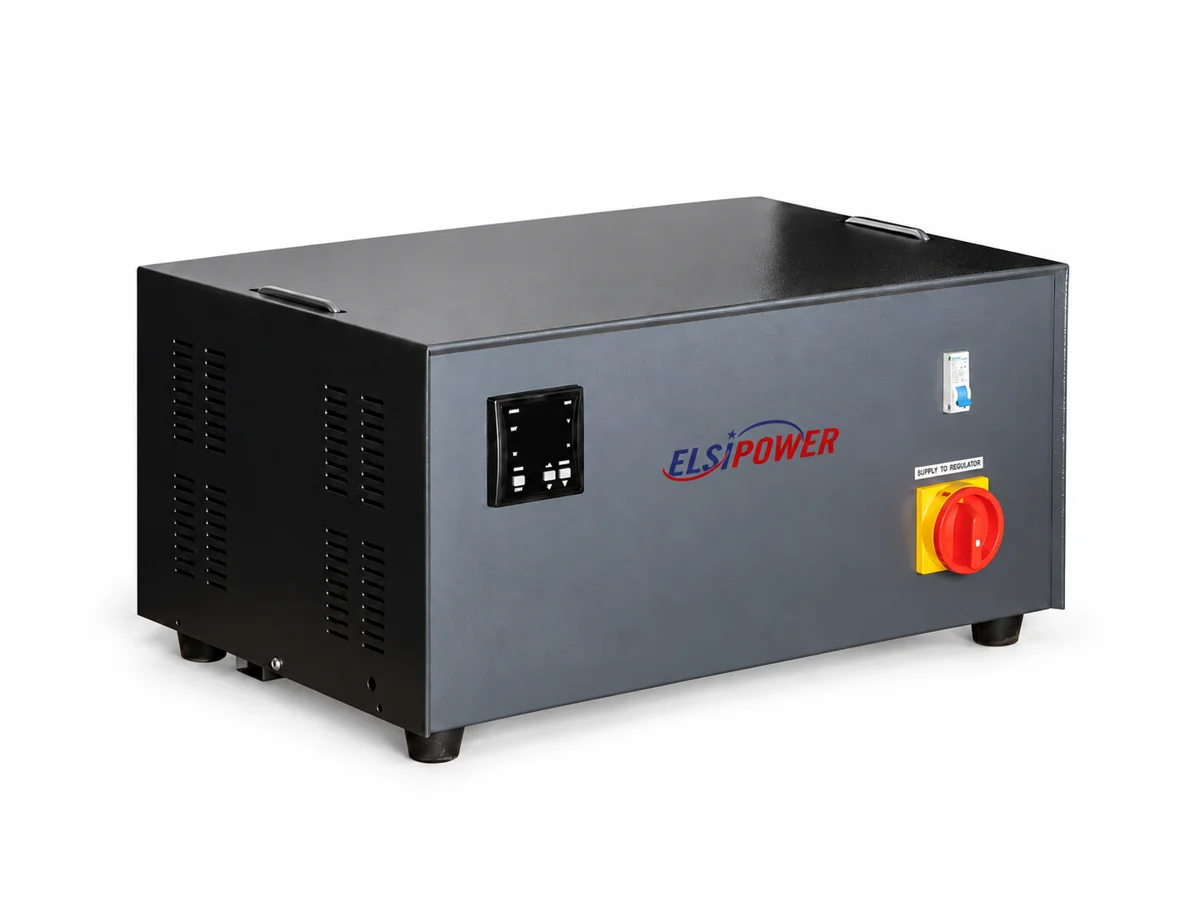
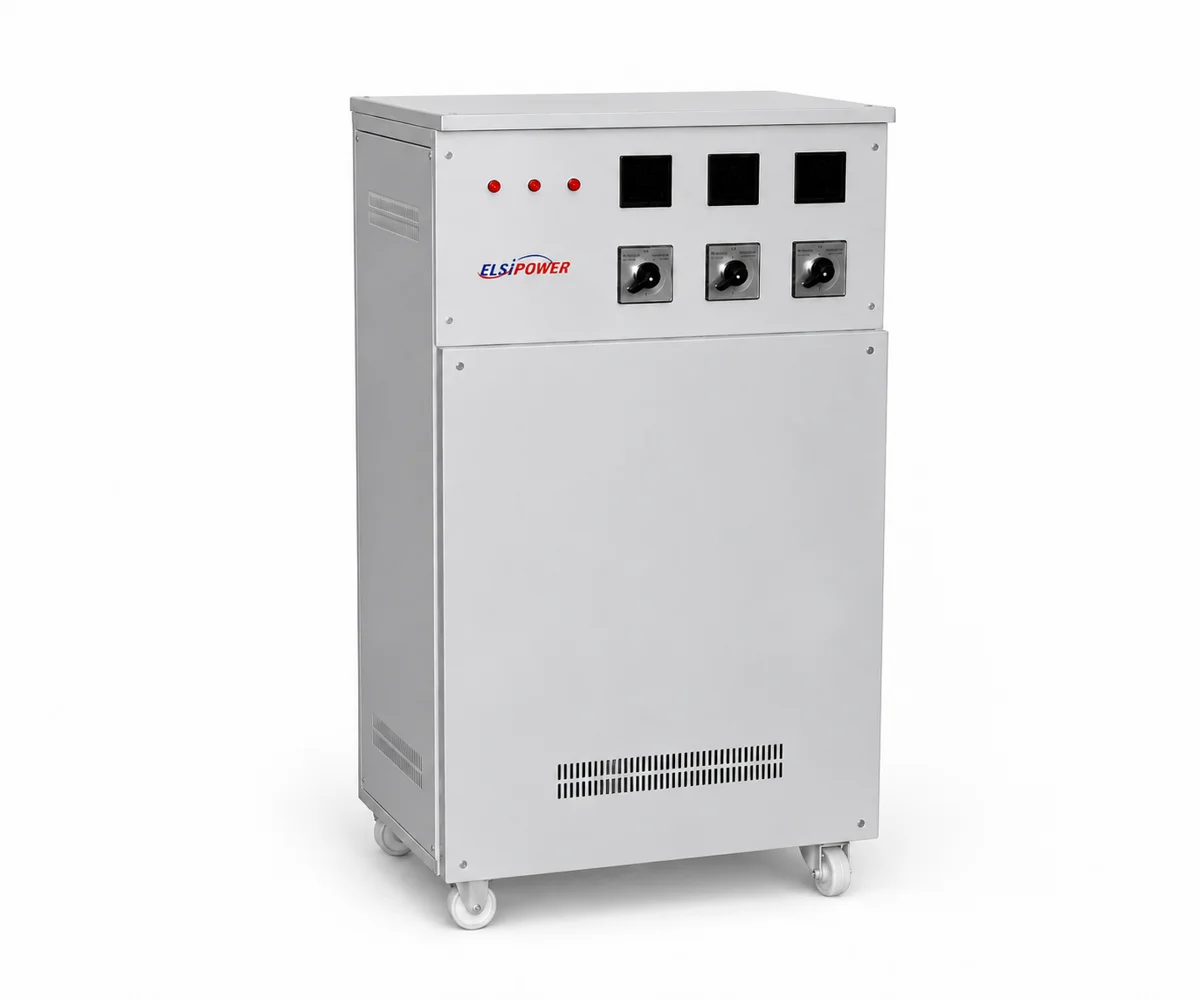
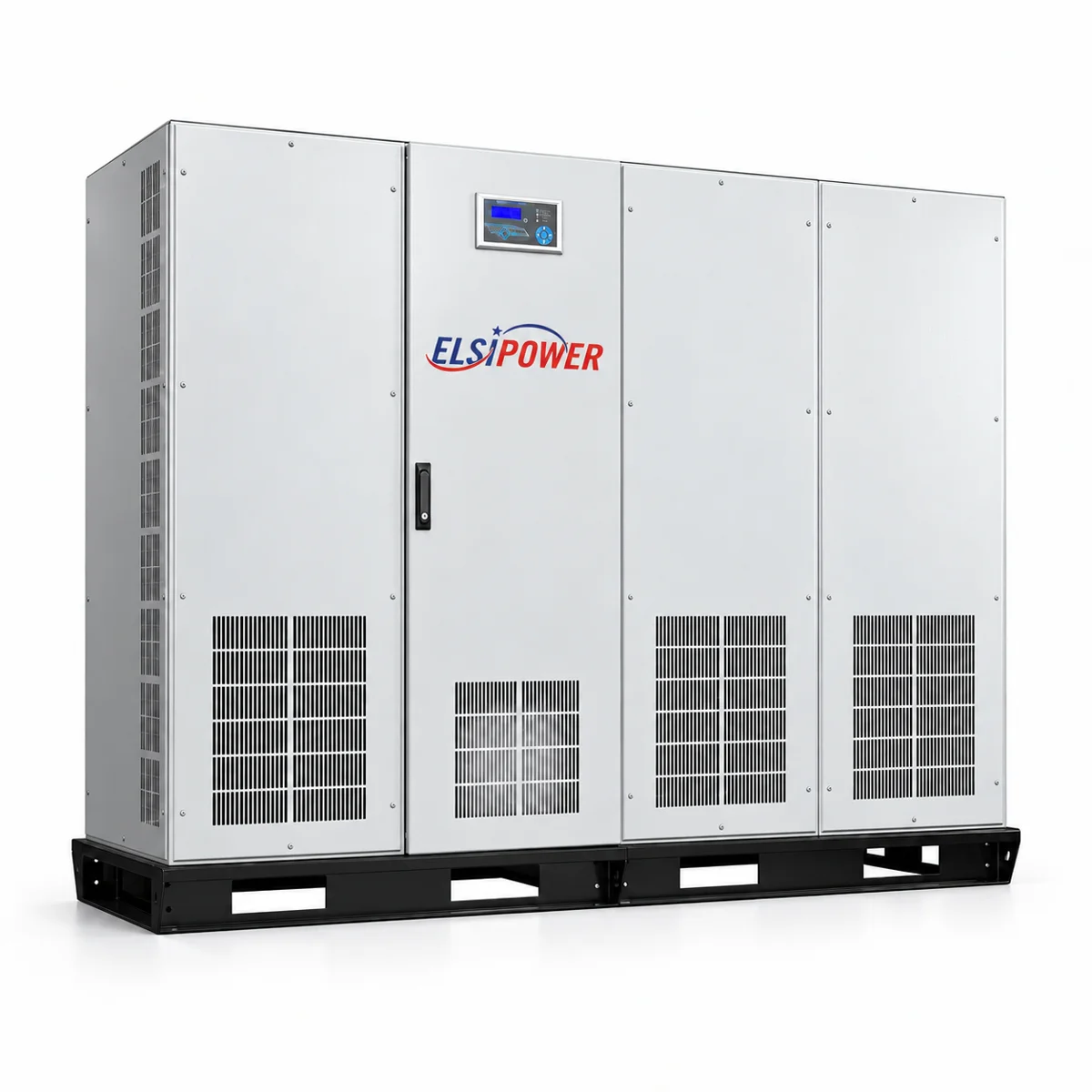
A voltage regulator continuously monitors the variable mains voltage and provides a stable voltage at its output. It is the most effective solution where voltage is constantly low or high. For homes and small businesses, single-phase servo regulators are used, and for sensitive devices that need a fast response, single-phase static regulators. In three-phase facilities, three-phase regulators are preferred. We explain the differences between servo and static regulators in this article.
2. Uninterruptible power supply (UPS)
If you also experience power cuts alongside fluctuation, or the protected device cannot tolerate any interruption at all, the solution is an uninterruptible power supply. Online UPS units in particular provide the most comprehensive protection against fluctuation and outages, because they continuously feed the load with clean, stable voltage they generate themselves. They are the first choice for servers, medical devices and automation systems.
3. Surge protection
Installing suitable surge protection devices in the distribution board is beneficial against very short high-voltage surges caused by lightning and grid switching. These devices do not replace a regulator or UPS; they complement them.
4. Sound wiring and earthing
No protective device can fully compensate for faulty wiring. Fixing loose connections, using suitable cable sizes and a proper earthing system solve a large part of fluctuation problems at the source.
Regulator or UPS?
| Situation | Recommended solution |
|---|---|
| Voltage constantly low or high, outages rare | Voltage regulator |
| Both fluctuation and frequent outages | UPS (preferably online) |
| Computers, servers, risk of data loss | UPS |
| Motor-driven devices, large loads, the whole building | Regulator of suitable power |
| Critical facility, both quality and continuity | Regulator and UPS together |
Common Mistakes
- Thinking a power strip is protection: Simple extension leads and power strips do not correct voltage.
- Buying equipment without measuring: A device chosen without knowing how far the mains drops and rises may not solve the problem.
- Sizing power at the limit: If motor inrush currents are not considered, the protective device is strained.
- Looking for the problem only in the device: A board that keeps failing is often a symptom of a mains problem.
Why Is Voltage Measurement Important?
The way to solve a voltage fluctuation problem correctly starts with defining the problem correctly. A single measurement is often not enough, because the voltage can take different values in the morning, at midday and in the evening, and even on weekdays and weekends. That is why, especially in businesses and facilities, it is recommended to log the voltage over a period of time.
Measurement results answer these questions:
- How far does the voltage drop at most, and how far does it rise?
- Is the fluctuation continuous, or does it happen at certain times?
- In three-phase facilities, is there imbalance between the phases?
- Are short interruptions also occurring?
This information allows the regulator's input range and power, or the need for a UPS, to be determined correctly. Any work or measurement on the distribution board should be carried out by qualified persons.
Different Approaches for Homes, Businesses and Factories
- Homes: Individual protection for devices such as the boiler, fridge and television, or a single-phase regulator feeding the whole house, can be chosen. If outages are frequent, a small UPS for the boiler and modem is useful.
- Offices and shops: A UPS for computers, servers, tills and camera systems and a regulator for air conditioning and other loads are considered together.
- Factories and workshops: Machine-based or facility-entry three-phase regulators stand out, along with online UPS solutions for critical control systems.
Frequently Asked Questions
Does voltage fluctuation break devices immediately?
A strong overvoltage surge can break a device instantly. In most cases, however, the damage builds up over time with repeated fluctuations and the device fails much earlier than expected.
Which is more harmful, low voltage or high voltage?
High voltage generally causes sudden damage to electronic boards, while low voltage causes heating and slow wear in motor-driven devices. Both shorten device life.
How can I tell if there is voltage fluctuation in my home?
Flickering lights and devices showing errors for no reason are the first signs. For a definitive diagnosis, the voltage needs to be measured at different times of day.
Is it possible to protect the whole house with a single regulator?
Yes, a regulator sized for total consumption can be connected to the main line to protect the whole house. The power calculation and installation should be done by a qualified electrician.
Let's protect your equipment from voltage fluctuation
Tell us about the problem you are experiencing, the devices you want to protect and your facility's connection type; let's determine the right voltage regulator or UPS solution for your needs together. You can call us on 0212 210 75 51 or send an email to elsi@elsi.com.tr.