Contents
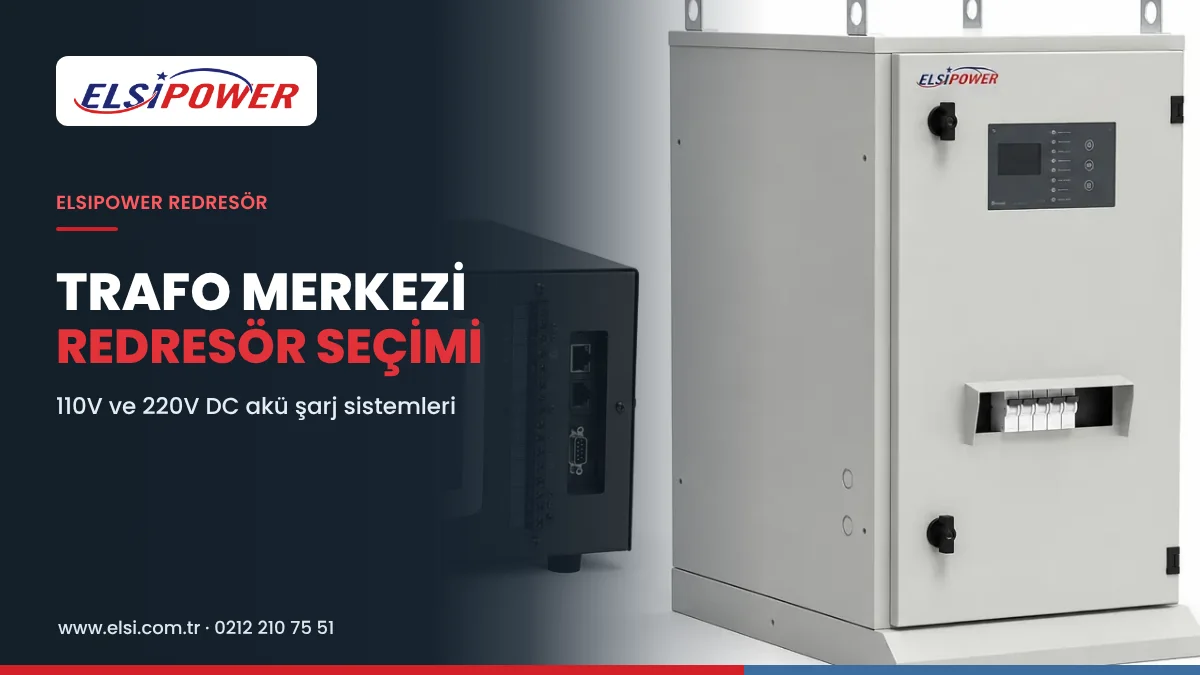
Rectifiers used in industrial plants, substations, telecommunication infrastructure and critical energy systems convert alternating current (AC) into direct current (DC) so that equipment is supplied reliably. Battery charger rectifiers also keep battery banks at the correct charging conditions while supplying DC loads.
When researching rectifier prices in 2026, the most common question is why devices with the same output voltage are offered at very different prices. The reason is that the cost of a rectifier is determined not only by output voltage but also by output current, technology, the battery bank, protection and monitoring features and project requirements. In this guide we explain the factors that affect the price, how to calculate how many volts and amps you need, and how to compare quotations.
What Determines Rectifier Prices?
Industrial rectifiers are usually configured to the electrical needs of the project, so there is no single price that applies to every application. The main factors are:
1. Output voltage: 24V, 48V, 110V and 220V DC
The first step is to determine the nominal DC voltage the system needs. This value is shown on the loads (relays, control boards, communication devices) or in the project specification.
| DC system voltage | Common application |
|---|---|
| 24V DC | Industrial automation and control panels |
| 48V DC | Telecom and communication infrastructure |
| 110V DC | Substations, protection and control systems |
| 220V DC | Power plants and switchgear systems |
The output voltage affects the design but does not set the price on its own. For example, a 48V 100A rectifier and a 110V 20A rectifier have very different power ratings and technical requirements.
2. Output current and power rating
The most important factor directly affecting price is the output current. Ratings such as 10A, 20A, 30A, 50A or 100A are chosen according to the size of the load. DC power is calculated as:
- Power (W) = Voltage (V) × Current (A)
- For example, a rectifier delivering 20A at 110V DC has a nominal output power of about 2,200W.
In a battery-backed system it is not enough to calculate the load current alone; the rectifier must also be able to charge the battery bank while supplying the loads. We show this calculation step by step below.
3. Rectifier technology
Thyristor-controlled rectifiers have been used in industry for many years and are preferred especially in high-power applications and when renewing existing systems. High-frequency switch-mode (SMPS) rectifiers stand out for their compact design, high efficiency and suitability for modular systems. The technology affects size, weight, energy losses, maintenance needs and cost. However, the choice should not be based on price alone; reliability requirements, harmonic performance, maintenance conditions and the technical specification should be considered together.
4. Battery bank and charging system
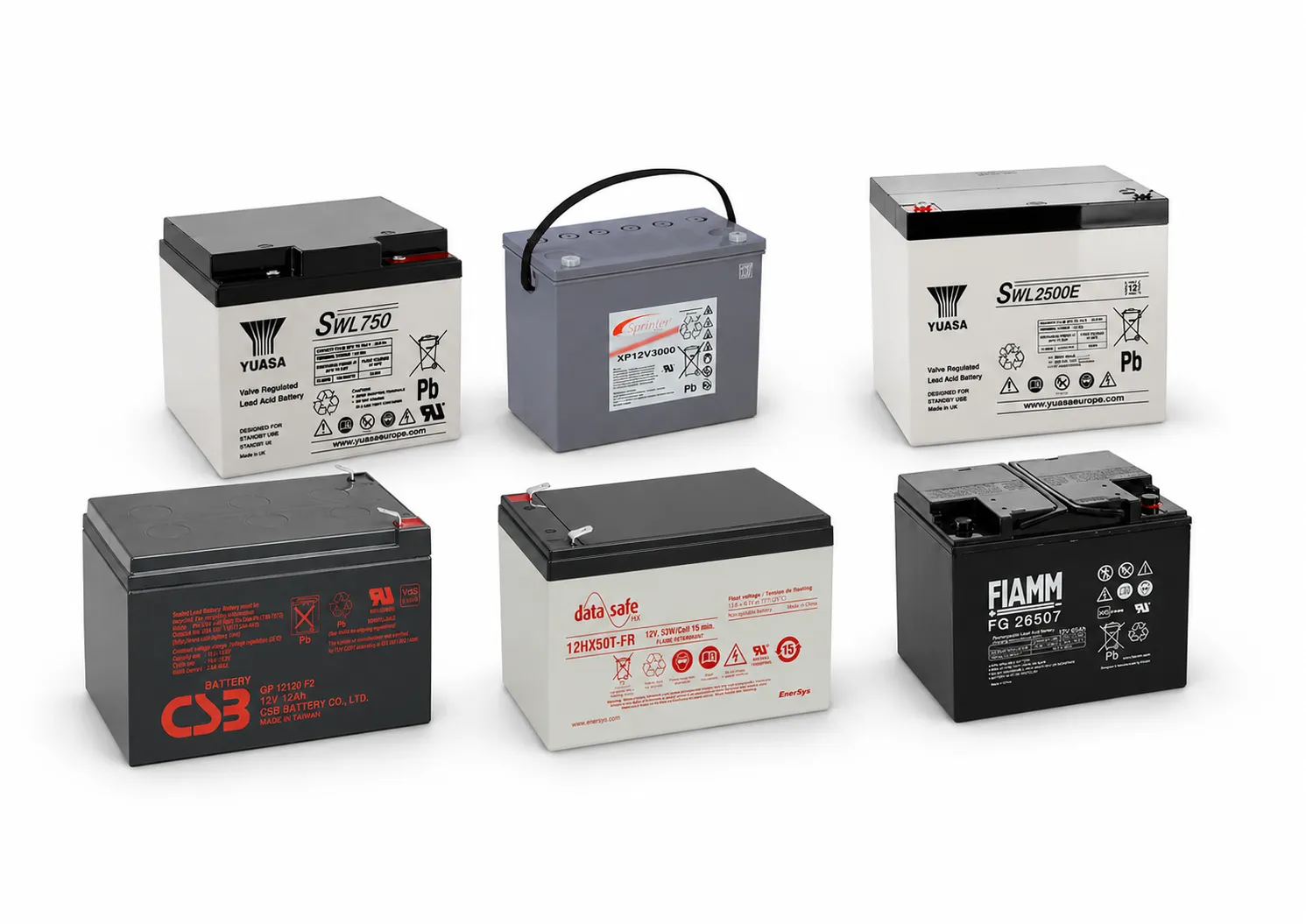
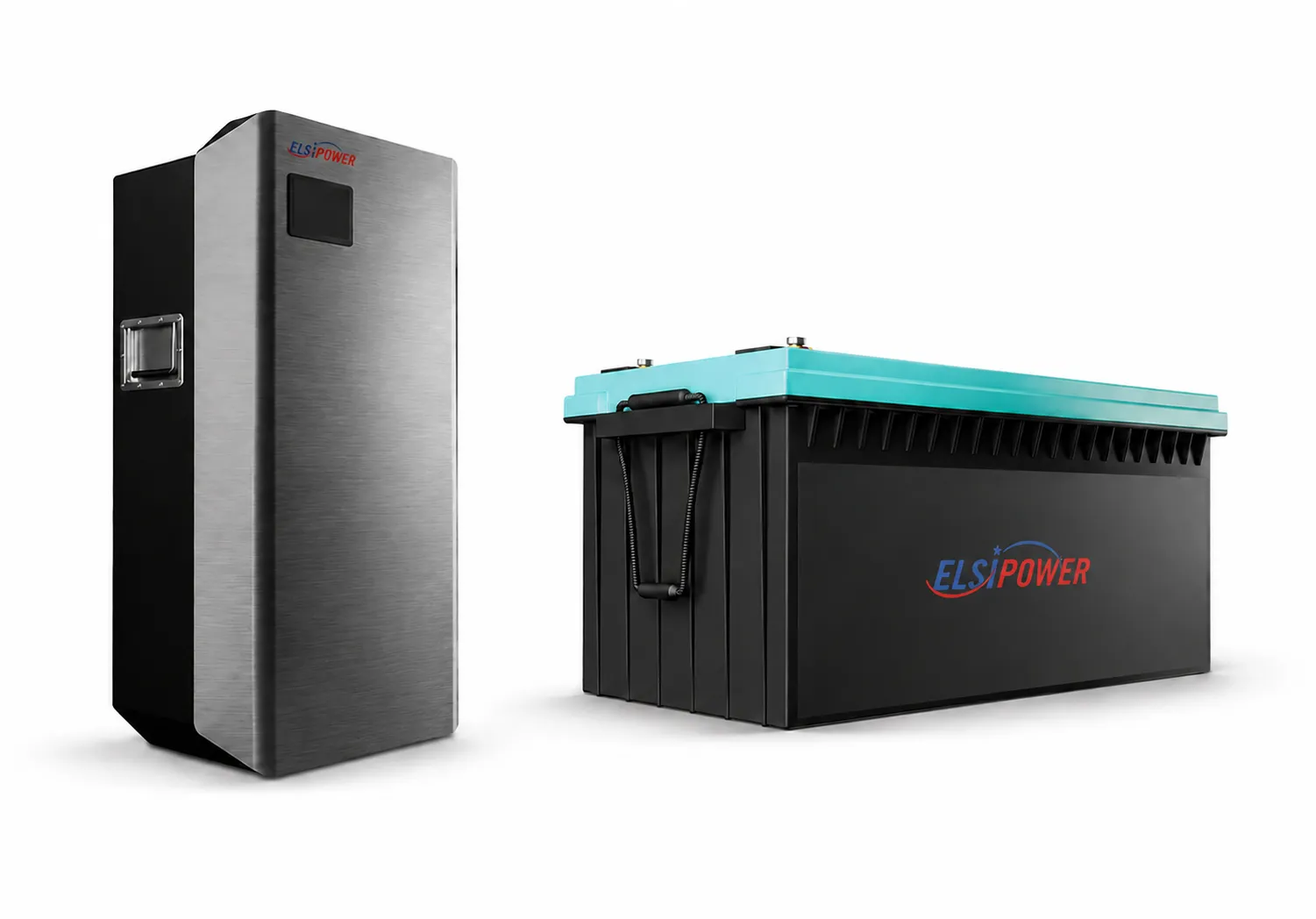
A rectifier can be a standalone DC power supply or part of a complete DC energy system working with a battery bank. In battery-backed systems the total cost depends on:
- Battery type, capacity and quantity
- Battery cabinet or rack
- Automatic charge control suited to the battery type
- Battery temperature monitoring and protection
- DC distribution and protection equipment
Especially in substations and critical facilities, the rectifier and the battery bank should be assessed together.
5. Protection, monitoring and automation features
Short circuit, overcurrent, overtemperature and output voltage protection are fundamental for system safety. Depending on the project, remote alarms, dry contact outputs, communication interfaces and central monitoring may also be required. These features can increase cost, but they allow faults to be detected early and maintenance to be planned.
6. Cabinet design, redundancy and project requirements
Cabinet dimensions, cooling, an ingress protection (IP) rating suited to the environment and input/output connections affect the price. Redundant rectifiers, dual supply options and special test requirements in critical facilities also change the total project cost.
How Many Volts and Amps Do You Need? A Step-by-Step Calculation
Step 1: Find the continuous load current
Add up the current of all DC devices drawing power continuously: Current (A) = Power (W) ÷ Voltage (V). For example, a 1,650W continuous load on a 110V DC system gives 1,650 ÷ 110 = 15A. Short, high-current loads such as breaker coils are usually supplied by the battery; even so, the battery capacity and DC distribution must be chosen to handle them.
Step 2: Determine battery capacity from the backup time
Roughly, required capacity (Ah) ≈ load current × backup time: 15A × 8 hours = 120 Ah. Margins are added for capacity loss over time, low ambient temperature and end-of-discharge voltage; in our example a battery bank of around 150 Ah could be considered. The exact capacity is determined from the battery manufacturer’s discharge tables.
Step 3: Add the battery charging current
Rectifier current = continuous load current + battery charging current. The charging current follows the battery manufacturer’s recommendation; for lead-acid batteries planning is usually based on about one tenth of the capacity (0.1C).
| Item | Example value |
|---|---|
| System voltage | 110V DC |
| Continuous load current | 15A |
| Battery bank | ≈ 150 Ah (8 hours backup) |
| Battery charging current (≈ 0.1C) | ≈ 15A |
| Required rectifier current | ≈ 30A |
In this example it makes sense to choose a rectifier at the next standard current rating, leaving room for future loads. This calculation is a first assessment; transient loads, voltage limits, ambient conditions and redundancy are considered separately in the final selection.
How Should Rectifier Quotations Be Compared?
Looking only at the price is not the right way to compare quotations. Two rectifiers with the same 110V DC voltage may differ in current capacity, battery charging features, protection and suitability for the environment. Use this table as a checklist:
| Feature | What to check |
|---|---|
| Nominal DC voltage | Matches the system voltage requirement |
| Output current | Covers load and battery charging needs together |
| Input supply | Single-phase or three-phase compatibility, input voltage range |
| Charge control | Float and boost charging suited to the battery type |
| Protection | Overcurrent, short circuit, overtemperature and reverse polarity protection |
| Monitoring | Fault signal output, alarms and remote monitoring options |
| Service | Installation, maintenance, spare parts and technical support |
In facilities with low tolerance for interruptions, the lowest purchase price is not always the most economical solution. Energy losses, maintenance costs and downtime risks over the device’s life should also be taken into account.
Information to Prepare Before Requesting a Quotation
- The facility or application where the rectifier will be used
- Input voltage and phase (single-phase / three-phase)
- Required nominal DC output voltage
- Continuous and maximum (short-duration) load current
- Battery type, capacity and required recharge time
- Required backup time
- Redundancy, alarm and monitoring requirements
- Installation environment (temperature, dust, ventilation)
If an existing rectifier is being replaced, its rating plate and the electrical drawings make selection easier. You can read about how a rectifier works in What Is a Rectifier? and about substation-specific criteria in Rectifier Selection for Substations.
Frequently Asked Questions About Rectifier Prices
How much do rectifiers cost in 2026?
The price depends on DC output voltage, current rating, technology, the battery bank and project requirements. For this reason we do not publish prices on our website; once your technical requirements are clear, we prepare a quotation for you.
Is a 24V or a 48V rectifier cheaper?
Prices cannot be compared on voltage alone. Output current, power rating, protection features and construction determine the total cost.
Is it a problem to buy a larger rectifier than needed?
There is no direct harm; when the output voltage and current limit are set correctly, the battery is charged safely. However, an unnecessarily large rectifier increases the initial investment. A correct calculation with a reasonable safety margin gives the best result.
Should the rectifier and battery bank be bought together?
It depends on the application. If the existing battery bank is technically suitable and healthy, only the rectifier can be replaced; we recommend testing the batteries first. For new facilities it is better to engineer the rectifier and battery bank together.
Can a rectifier be used with lithium batteries?
Yes, but the charging voltages and battery management system of lithium batteries differ from lead-acid batteries. The rectifier and battery bank must be engineered to be compatible.
Get a rectifier quotation
As ELSİ Güç Sistemleri, under our ELSIPOWER brand we provide rectifier and DC power system solutions for industrial plants, substations and telecom infrastructure. Send us your DC voltage, load current and backup time, and we will determine the right configuration and prepare your quotation. 0212 210 75 51 · elsi@elsi.com.tr