Contents
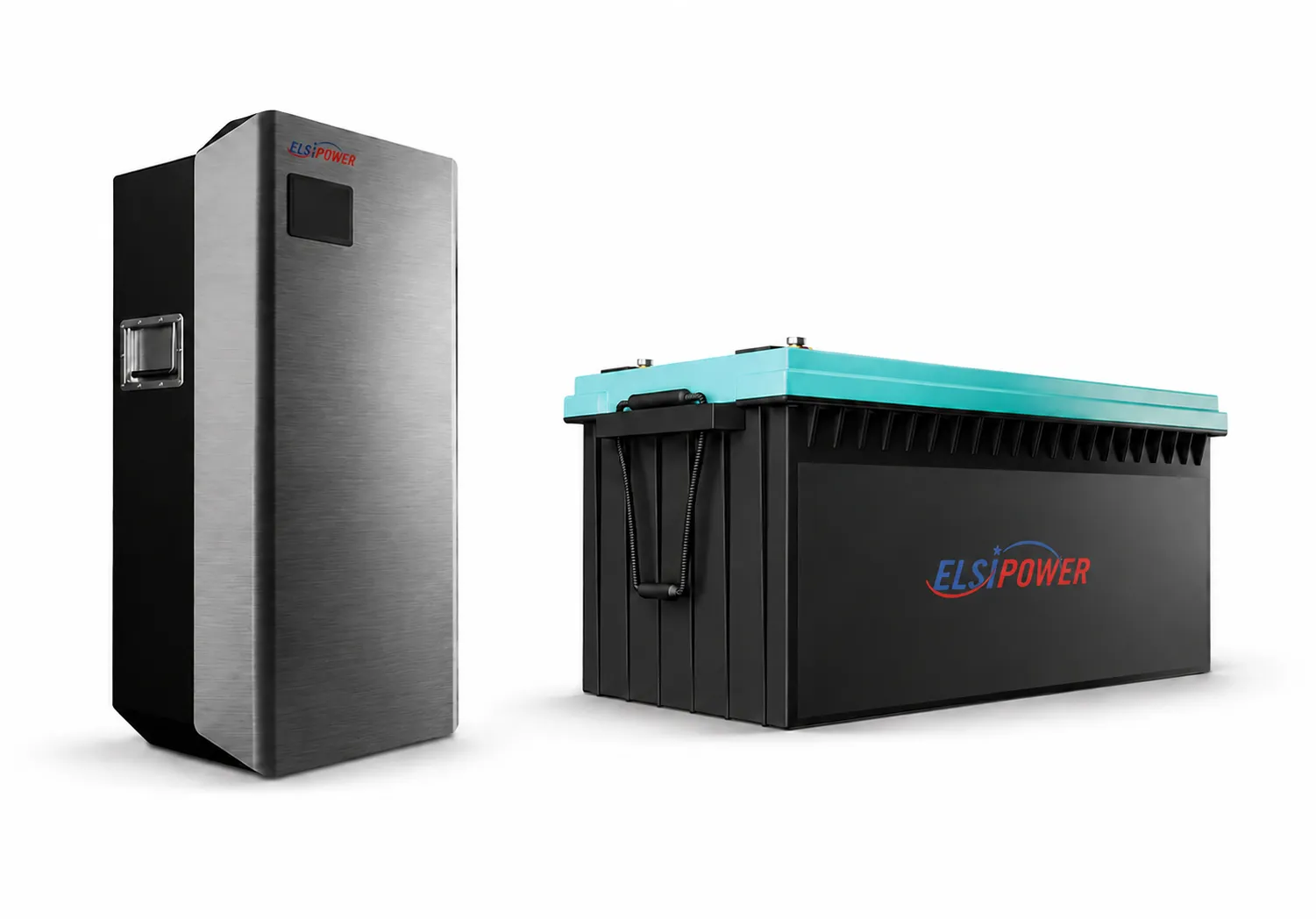
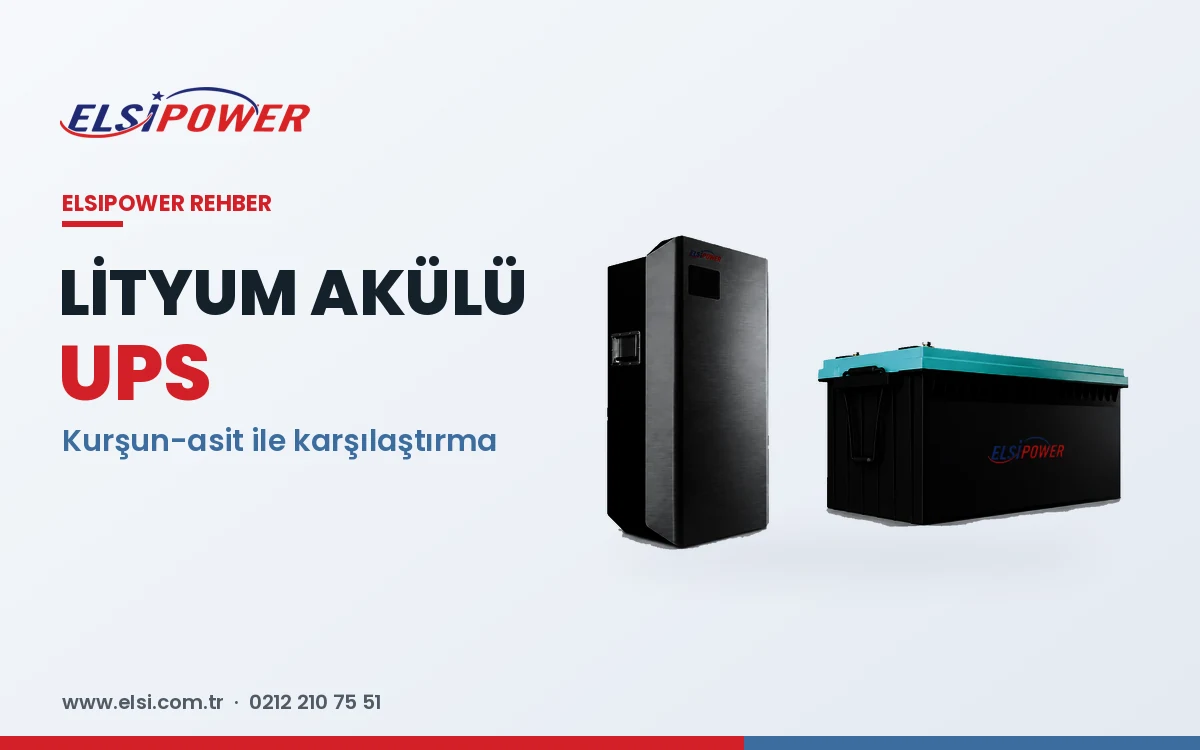
A lithium-battery UPS uses lithium-ion batteries — in UPS applications mostly lithium iron phosphate (LiFePO4) — instead of traditional lead-acid (VRLA) batteries. Longer life, smaller footprint and lower maintenance are making it increasingly common in data centres, server rooms and sites with frequent outages.
Lithium vs Lead-Acid Batteries
| Feature | Lead-acid (VRLA / AGM) | Lithium (LiFePO4) |
|---|---|---|
| Typical service life | 3–5 years (in UPS use) | 8–10 years or more |
| Charge–discharge cycles | A few hundred | Thousands |
| Weight and volume | Heavy and bulky | About half to one third the weight, less space |
| Temperature sensitivity | Life drops quickly in heat | Higher temperature tolerance |
| Charging time | Long | Much shorter |
| Monitoring | Limited | Cell-level monitoring via BMS |
| Initial cost | Lower | Higher |
Values depend on operating conditions, ambient temperature and depth of discharge; the table is a general comparison.
Advantages of a Lithium-Battery UPS
- Fewer battery replacements: lithium batteries often last close to the life of the UPS itself.
- Less space and weight: saves rack space and suits floors with limited load capacity.
- Better heat tolerance: reduces battery-room cooling costs.
- Fast recharging: ready sooner for the next outage.
- Smart monitoring (BMS): problems are detected before an outage, not during one.
Drawbacks and Considerations
- Higher initial investment, though total cost of ownership over 8–10 years is often lower.
- Not a drop-in replacement: the UPS charging profile and BMS communication must be lithium-compatible.
- Correct installation: battery cabinets, protection and BMS settings must follow manufacturer guidance.
When Should You Choose a Lithium UPS?
- Data centres and server rooms with limited space
- Sites with frequent, long outages
- Hot or non-air-conditioned locations
- Critical infrastructure where battery replacement downtime is costly
- Projects focused on long-term total cost
For homes and offices where outages are rare and short backup is enough, quality maintenance-free AGM batteries remain an economical choice.
Lithium Batteries and Modular UPS
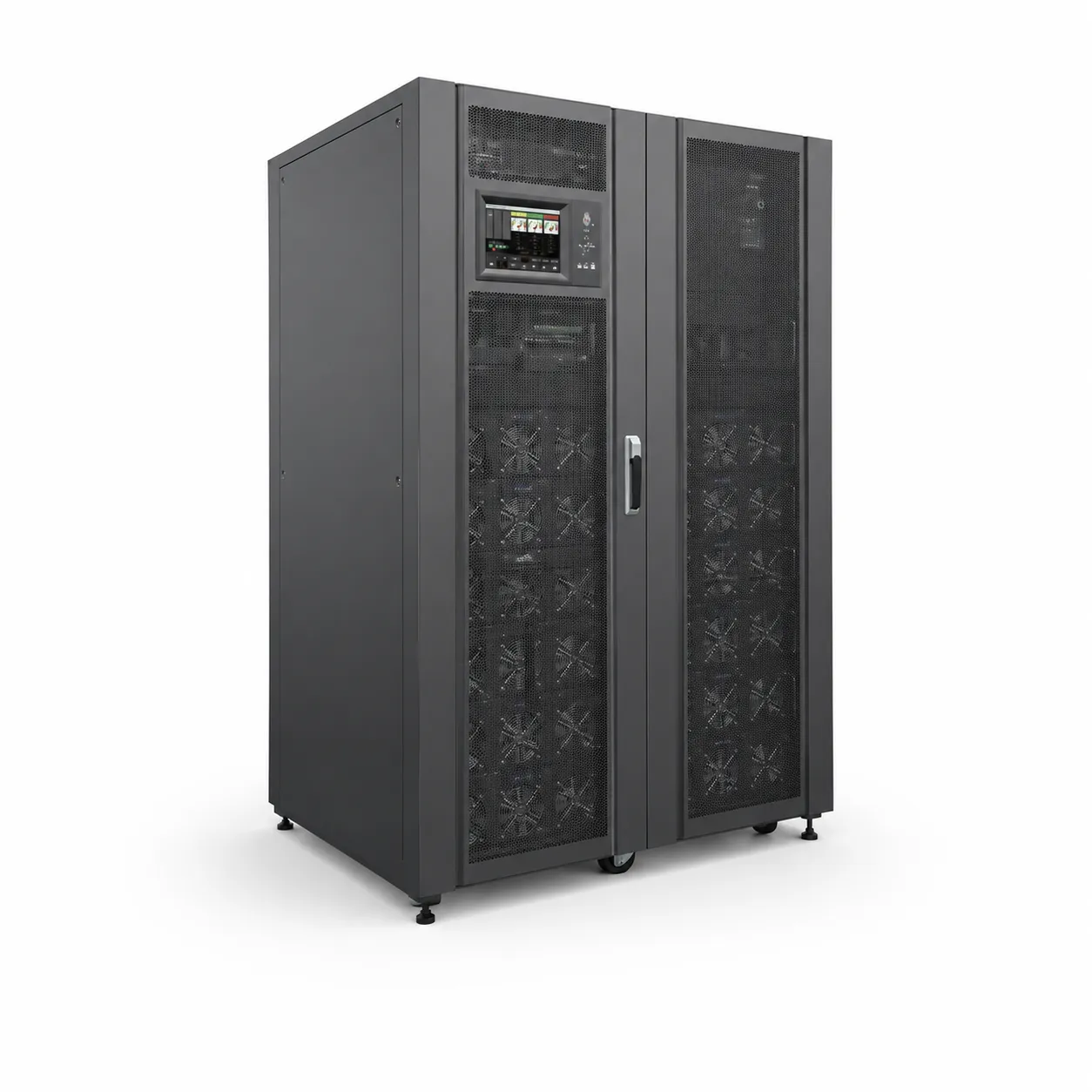
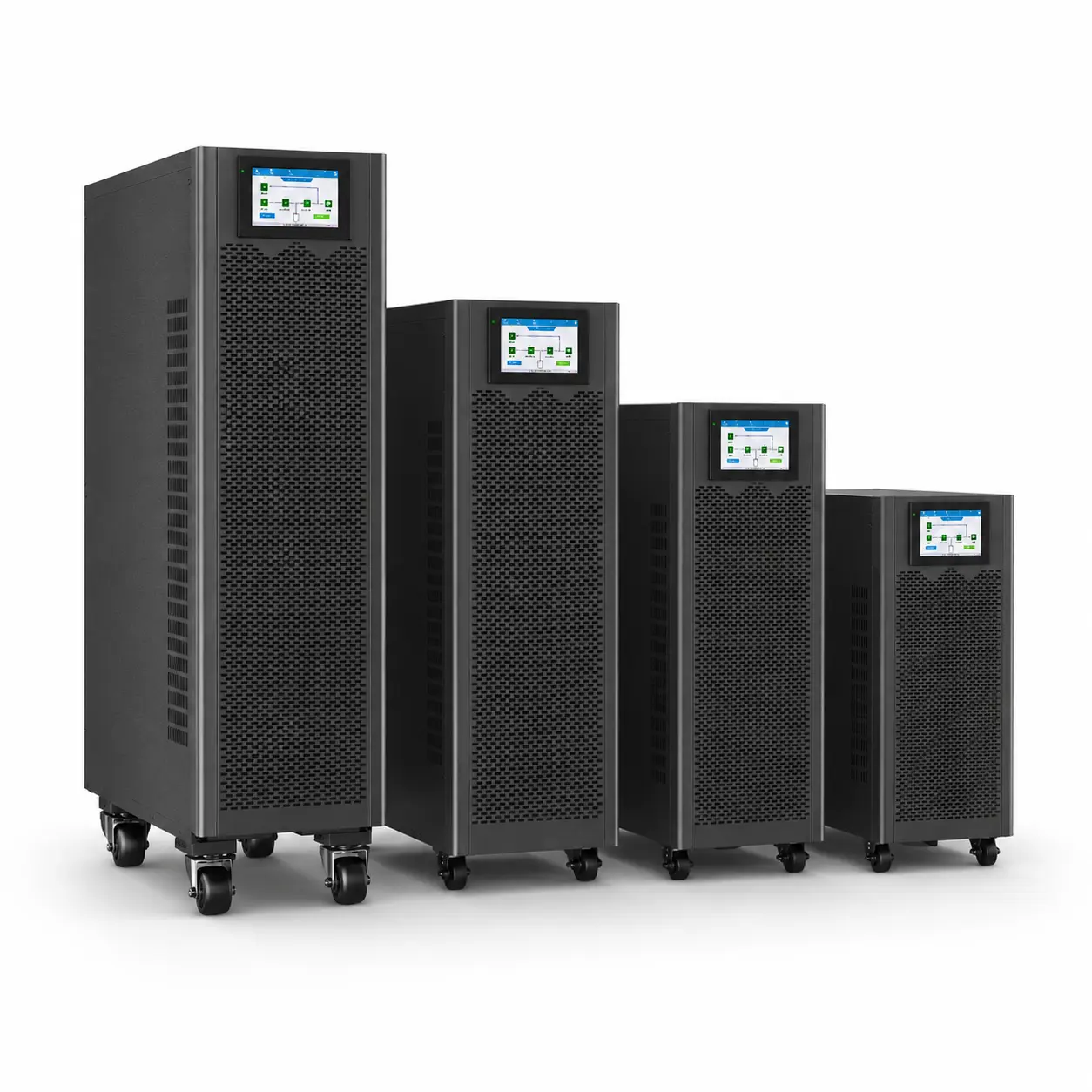
Combined with lithium batteries, modular UPS systems deliver high density and easy scalability on both the power and battery side. Many ELSIPOWER modular UPS series are lithium-compatible; see our lithium battery page.
Frequently Asked Questions
Is a lithium-battery UPS safe?
The LiFePO4 chemistry widely used in UPS systems is known for its thermal stability and is safe with an appropriate BMS, protection and correct installation.
Can I replace my UPS's lead-acid batteries with lithium?
Not always — the UPS must support lithium charging and battery management. A technical assessment is required first.
Lithium or lead-acid? Let's decide for your project
Share your load, required backup time and installation space, and we will compare the total cost of both options. +90 212 210 75 51 · WhatsApp