Contents
- 7 Items That Determine the Generator Rental Price
- Checklist for Comparing Quotes
- Ways to Manage Cost Correctly
- Why the Lowest Quote Is Not Always the Cheapest
- What Should a Good Generator Rental Quote Include?
- Who Is Responsible for What During the Rental?
- Preparing Before You Request a Quote
- The Role of the Survey in the Quote
- Frequently Asked Questions
When you receive generator rental quotes from several companies for your event, you may find the figures vary widely. This is usually because the quotes do not cover the same scope: one prices only the machine, while another includes installation, cabling, fuel and an on-site technician.
In this guide we explain the main items that make up a generator rental price and what to look for to compare quotes correctly. The goal is not to pick the lowest figure, but the right quote that will see your event through safely.
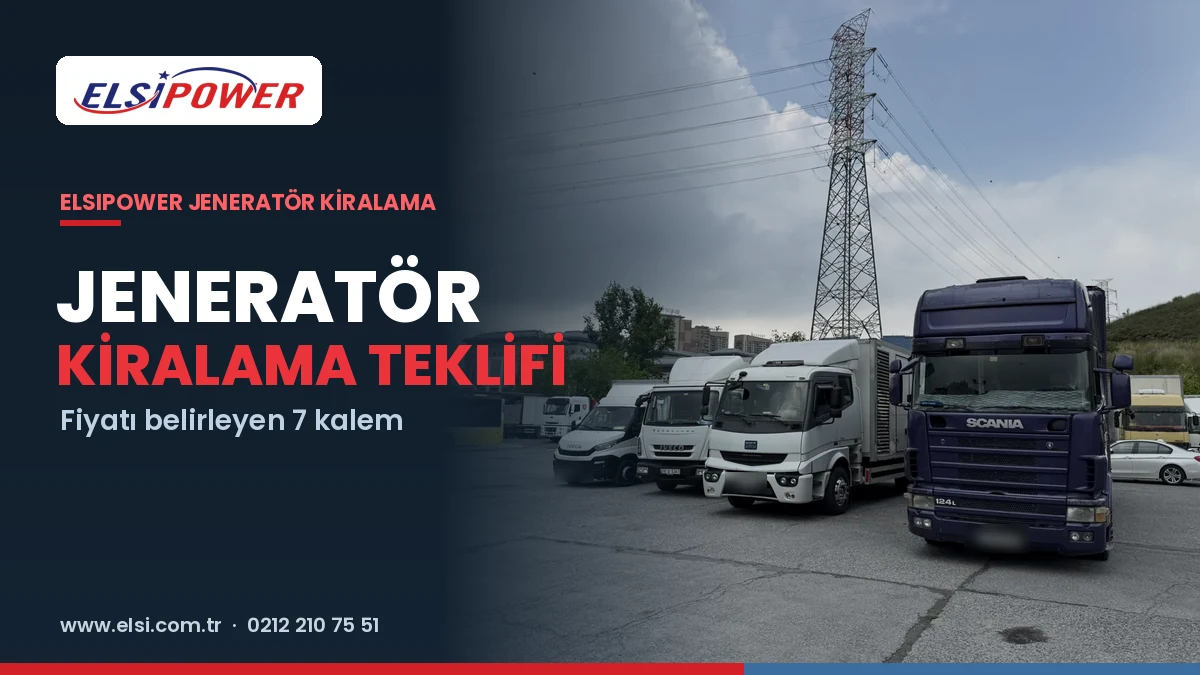
7 Items That Determine the Generator Rental Price
1. Generator power (kVA)
The generator’s power forms the basis of the rental price. As power increases, so do the machine’s size, transport and fuel consumption. Correct sizing therefore also means correct cost planning. We explain sizing step by step in our guide what size generator do I need.
2. Rental period
A one-day event and a multi-day festival are not priced the same way. Installation and dismantling days, rehearsal days and event days are assessed together. The longer the period, the lower the daily cost generally becomes.
3. Fuel
Always clarify whether fuel is included in the quote. Fuel consumption depends on the generator’s power, load level and running time. For multi-day events, who refuels and how should also be planned.
4. Transport and positioning
Bringing the generator to the site, placing it in the right spot and taking it away afterwards is a separate cost item. Venue access, traffic hours and the need for night installation affect this item.
5. Distribution boards and cabling
Carrying power safely from the generator to the site requires a main distribution board, field boards, cables and socket boxes. The longer the cable runs and the more distribution points, the larger this item. Some quotes leave this out entirely; finding it missing on site puts the event at risk.
6. Installation, earthing and testing
Installing the generator, earthing it and testing it under load before the event are essential for safety. Having this done by a competent team protects both people and equipment.
7. On-site technician and redundancy
A technician on standby throughout the event can respond within minutes to any problem. For critical events, twinpack or n+1 redundant systems are added to the quote. These items increase cost but greatly reduce the risk of the event being interrupted.
Checklist for Comparing Quotes
| Question | Why it matters |
|---|---|
| Are generator power and quantity the same? | Quotes for different power levels cannot be compared |
| Is fuel included? | Makes a big difference for multi-day events |
| Are transport and dismantling included? | Items added later push the budget over |
| Are boards and cabling included? | Missing distribution causes problems on site |
| Is there a technician throughout the event? | Determines response time if something goes wrong |
| Is there a backup power plan? | Reduces the risk of interruption at critical moments |
| Are installation and dismantling times clear? | Must comply with venue rules |
Ways to Manage Cost Correctly
- Share the technical rider early: The right power is chosen and no oversized generator is rented.
- Split loads into zones: Feeding stage and catering separately improves both safety and efficiency.
- Assess the venue’s existing infrastructure: Some loads can run on mains while critical loads run on the generator.
- Confirm the date early: Last-minute requests make planning harder in busy event seasons.
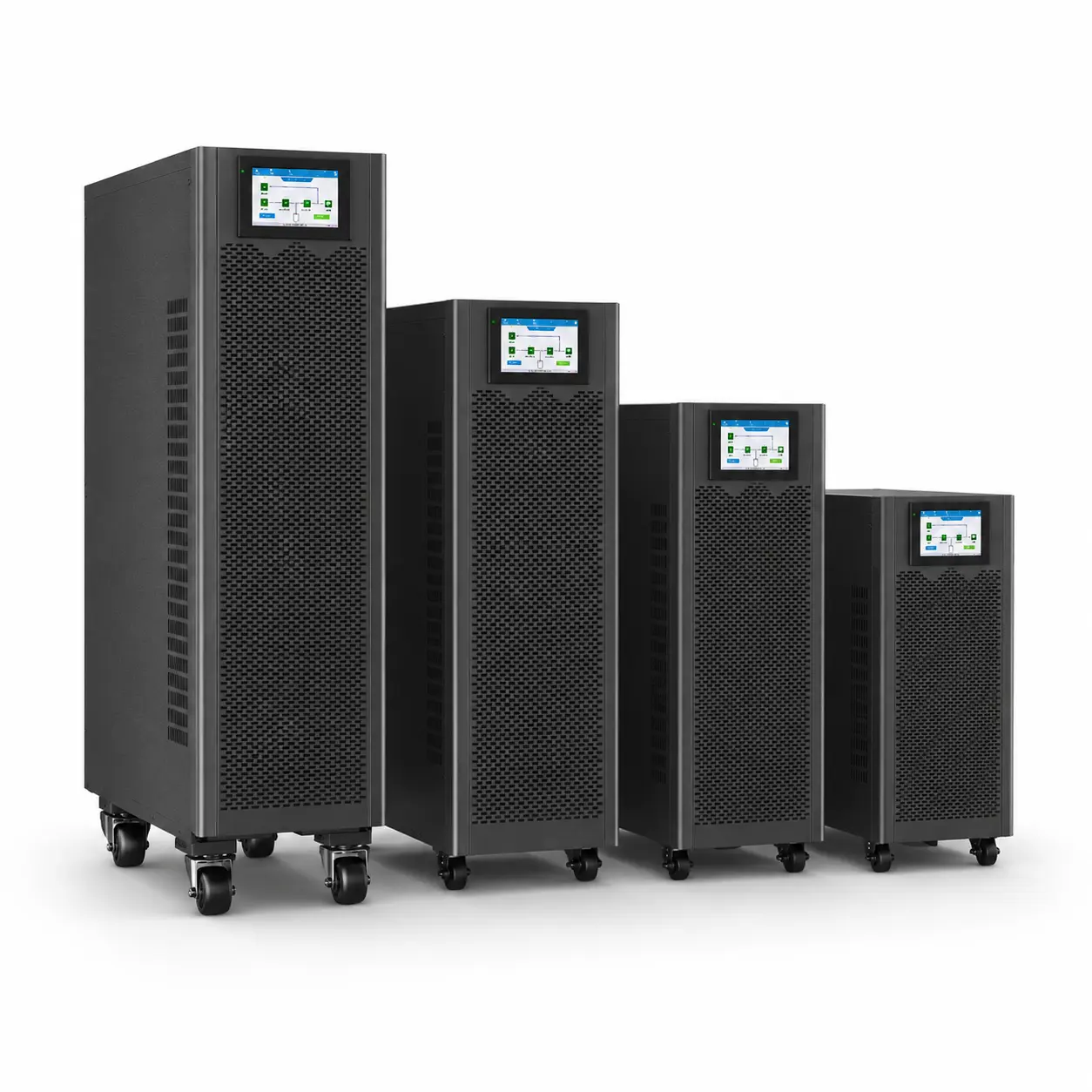
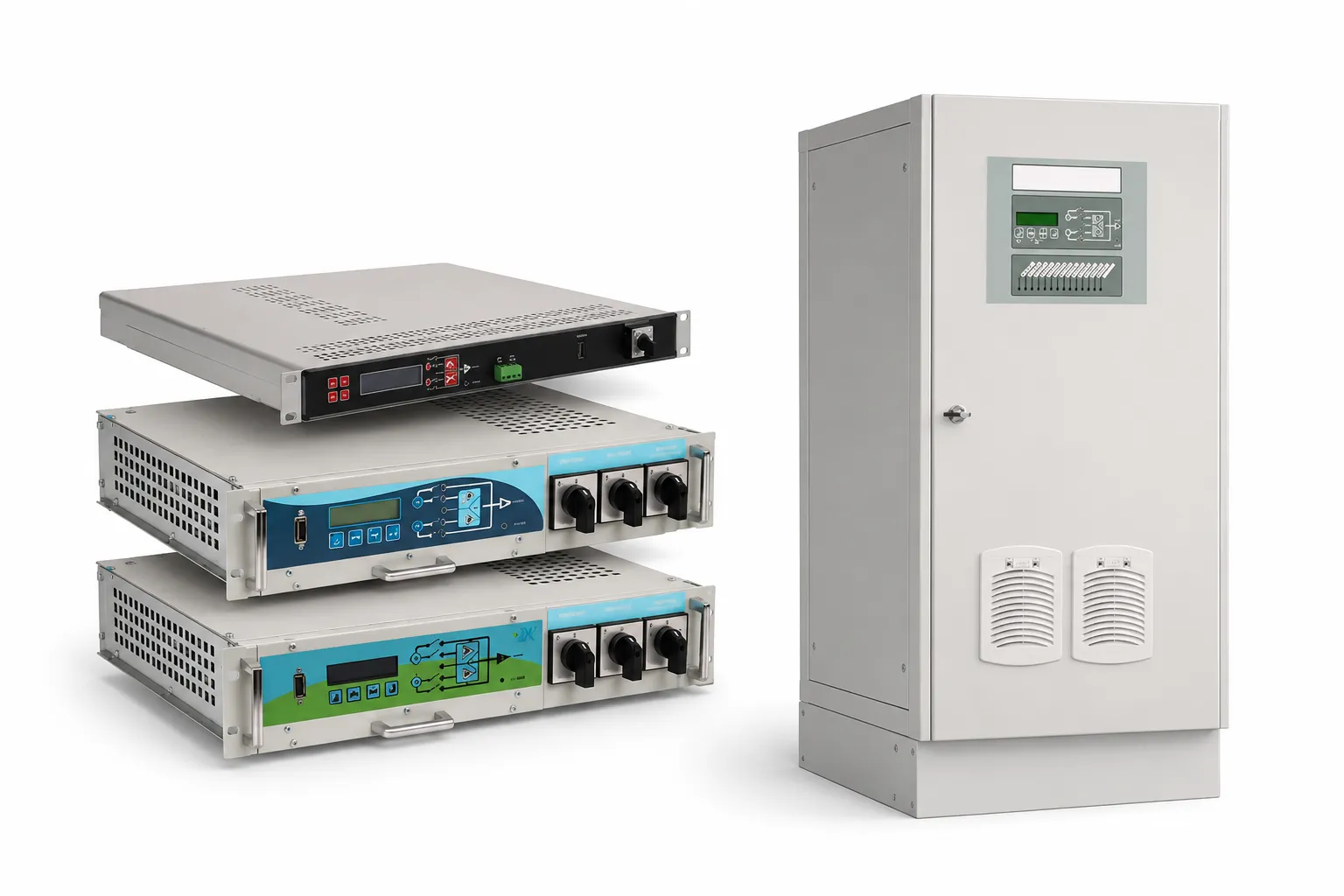
- Consider a UPS for sensitive equipment: Protecting control room and broadcast equipment with a rental UPS is far cheaper than the losses an interruption would cause.
Why the Lowest Quote Is Not Always the Cheapest
A power cut during an event means the programme stops, equipment may be damaged and, above all, reputation suffers. A quote with incomplete scope may look attractive at first, but missing boards, cables or technicians on site create both extra cost and unnecessary risk. That is why we recommend comparing quotes on scope before price.
What Should a Good Generator Rental Quote Include?
A properly prepared quote means no surprises on site. Make sure the quote clearly states at least the following:
- Generator power (kVA), quantity and type (canopied, twinpack, synchronised),
- Rental period, with installation, event and dismantling days listed separately,
- Whether fuel is included and the refuelling plan,
- Distribution boards, cable lengths and number of socket boxes,
- Installation, earthing and testing services,
- Hours during which a technician will be on site,
- Backup power scenario,
- Transport and dismantling times and venue-specific conditions.
Who Is Responsible for What During the Rental?
| Task | Usually done by |
|---|---|
| Stating the power requirement | Organiser and technical crews |
| Load analysis and generator selection | Generator rental company |
| Installation, cabling and earthing | Generator rental company |
| Venue permits and access coordination | Organiser, together with the rental company |
| Monitoring and refuelling during the event | On-site technician |
| Connecting equipment to socket boxes | The relevant technical crews |
Clarifying responsibilities at the quote stage prevents confusion on the day of the event.
Preparing Before You Request a Quote
The more information you share, the more accurate the quote. The event date and address, site layout, technical riders and venue rules speed up the process. If you are not sure what power you need, just request a survey; sizing is done together during the visit.
The Role of the Survey in the Quote
Quotes prepared from information received by phone or email are often based on estimates. Seeing the event site in person clarifies the generator position, cable distances, vehicle access and existing electrical infrastructure. The quote is then prepared with a real scope that will not change on site.
A survey also reveals problems that could arise on the day: a narrow entrance gate, sloping ground, a parking area far from the stage or night-time noise restrictions. Solving these in advance reduces both cost and risk.
At ELSIPOWER we base our generator rental quotes on a survey and load analysis and itemise the scope. For events with sensitive equipment, we also include UPS rental in the same plan.
Frequently Asked Questions
Is generator rental priced per day?
It is generally based on the rental period, but items such as transport, installation and dismantling are assessed separately regardless of duration.
Can I supply the fuel myself?
In some cases it is possible, but fuel quality and refuelling timing matter for the generator to run properly. It is safer for refuelling to be planned by the rental company throughout the event.
Can I rent a generator for a one-day event?
Yes. For one-day events, installation and dismantling are planned around the event schedule.
What information should I provide for a quote?
The event date and address, installation and dismantling times, and a list of the equipment to be used or the technical rider are enough.
Get a generator rental quote with a clear scope
Send us your event details; we will prepare a generator rental quote that clearly shows power, fuel, transport, installation and on-site technician items. You can call us on 0212 210 75 51 or send an email to elsi@elsi.com.tr.