Contents
- When Is a Generator Needed at an Exhibition?
- How Is Power Planned for an Exhibition Ground?
- Why Per-Stand Distribution Matters
- Uninterrupted Power for Congress and Seminar Areas
- Generator and UPS: The Right Combination for Sensitive Equipment
- Short Checklist for Exhibition Organisers
- Fair Timeline: Power Plan from Installation to Dismantling
- Tips for Exhibitors
- Safety and Earthing
- Where Generators Fit in Indoor Hall Exhibitions
- Frequently Asked Questions
When the power goes out at an exhibition, it is not just the lights that go off: screens on the stands go dark, product demonstrations stop halfway, payment systems freeze and the connection with visitors is lost. At outdoor fairs, seasonal exhibitions and temporary exhibition grounds, electrical infrastructure is often insufficient. That is why generator rental for exhibitions is a critical planning step for organisers and exhibitors.
In this guide we explain how power planning is done when renting generators for exhibition grounds, why per-stand distribution matters and how to protect sensitive equipment.
When Is a Generator Needed at an Exhibition?
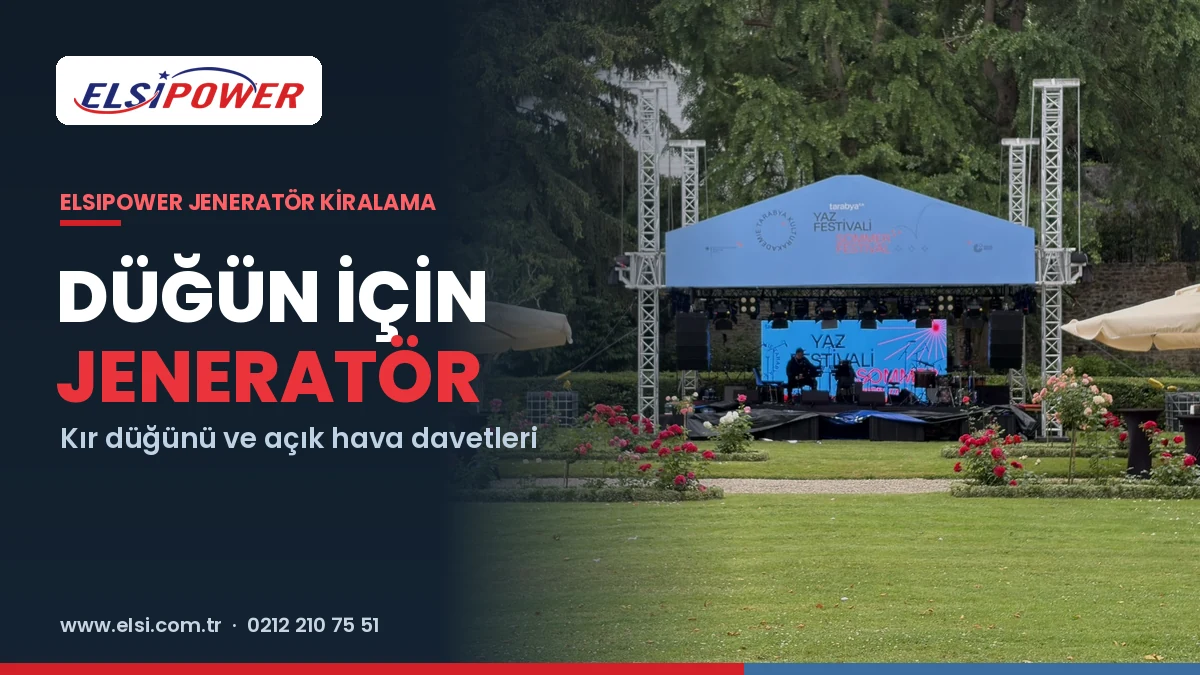
- Outdoor fairs: Fairs set up in squares, parks and open car parks usually have no permanent electrical infrastructure.
- When existing capacity is not enough: The hall’s electrical capacity may not cover stands displaying heavy equipment or using intensive lighting.
- Backup power: A backup energy source is planned for critical areas against the risk of outages.
- Temporary setups: Launch tents, outdoor demonstration zones and event stages.
How Is Power Planned for an Exhibition Ground?
1. Stand list and power requests
The electrical requirement of each stand is collected separately. Power needed for lighting, screens, demonstration equipment, catering machines and running the exhibited products is listed. This information is usually included in the technical forms the organiser collects from exhibitors.
2. Common areas
Common loads such as the entrance, registration, aisle lighting, stage and seminar area, food court and security systems are calculated separately.
3. Total power and safety margin
Stand and common area loads are added up, diversity is assessed and a safety margin is added. You can find the detailed method in our guide what size generator do I need.
4. Zoned distribution
The exhibition ground is divided into zones and field boards are planned for each zone. A problem in one zone then does not affect the whole fair, and cable runs are shorter.
Why Per-Stand Distribution Matters
| Topic | Why it matters |
|---|---|
| Socket box per stand | Each stand is fed from its own circuit, no tangled extension leads |
| Residual current protection | Ensures the safety of visitors and staff |
| Phase balance | Single-phase stand loads are spread evenly across phases |
| Cable routes | Cables across walkways are protected with cable ramps |
| Labelling | The right circuit is found quickly if there is a fault |
Uninterrupted Power for Congress and Seminar Areas
Seminars, panels and award ceremonies, an important part of exhibitions, use sound systems, presentation computers and live broadcast equipment. An interruption in these areas directly disrupts the programme. That is why redundant generator solutions for stage and seminar areas and UPS support for sensitive equipment are planned together.
Generator and UPS: The Right Combination for Sensitive Equipment
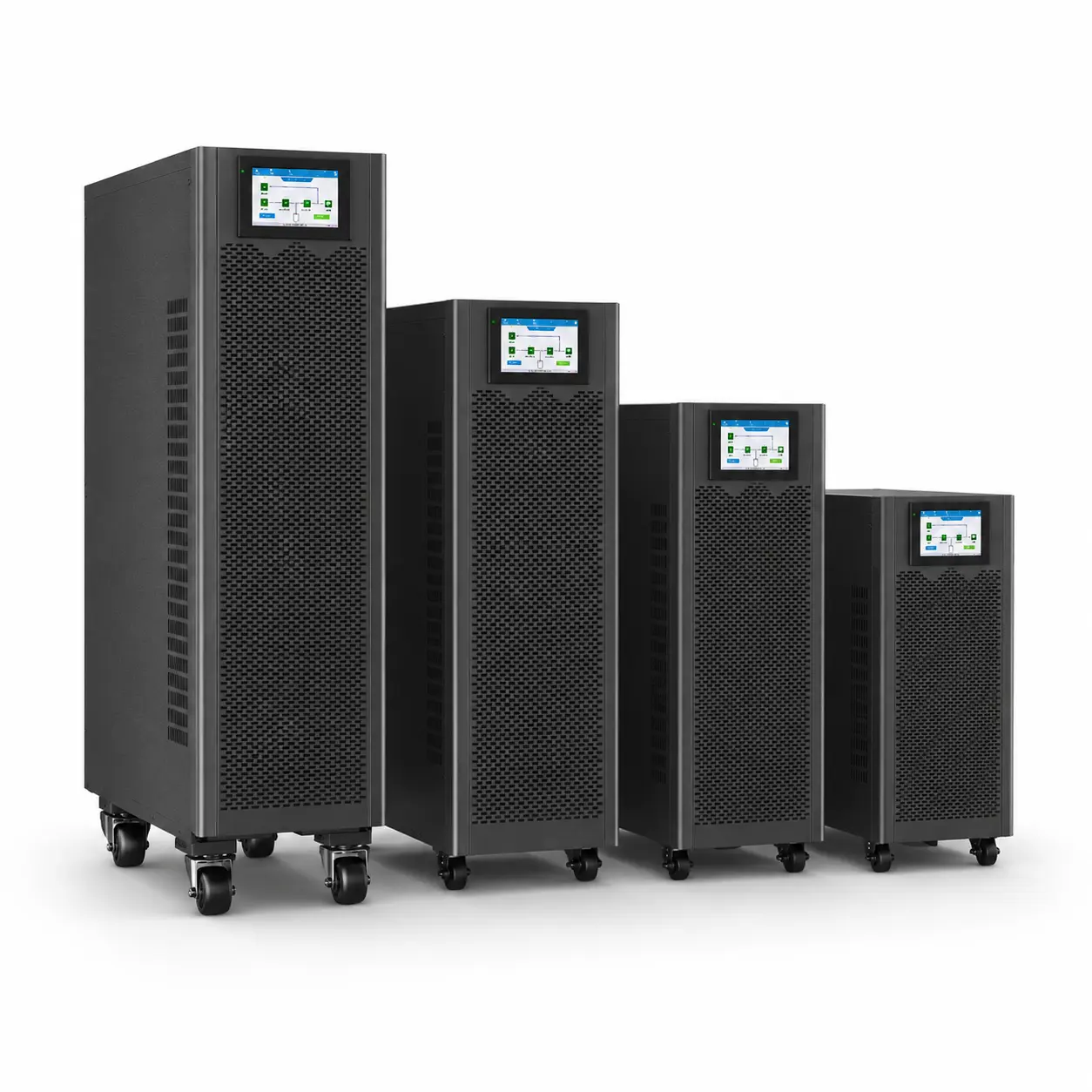
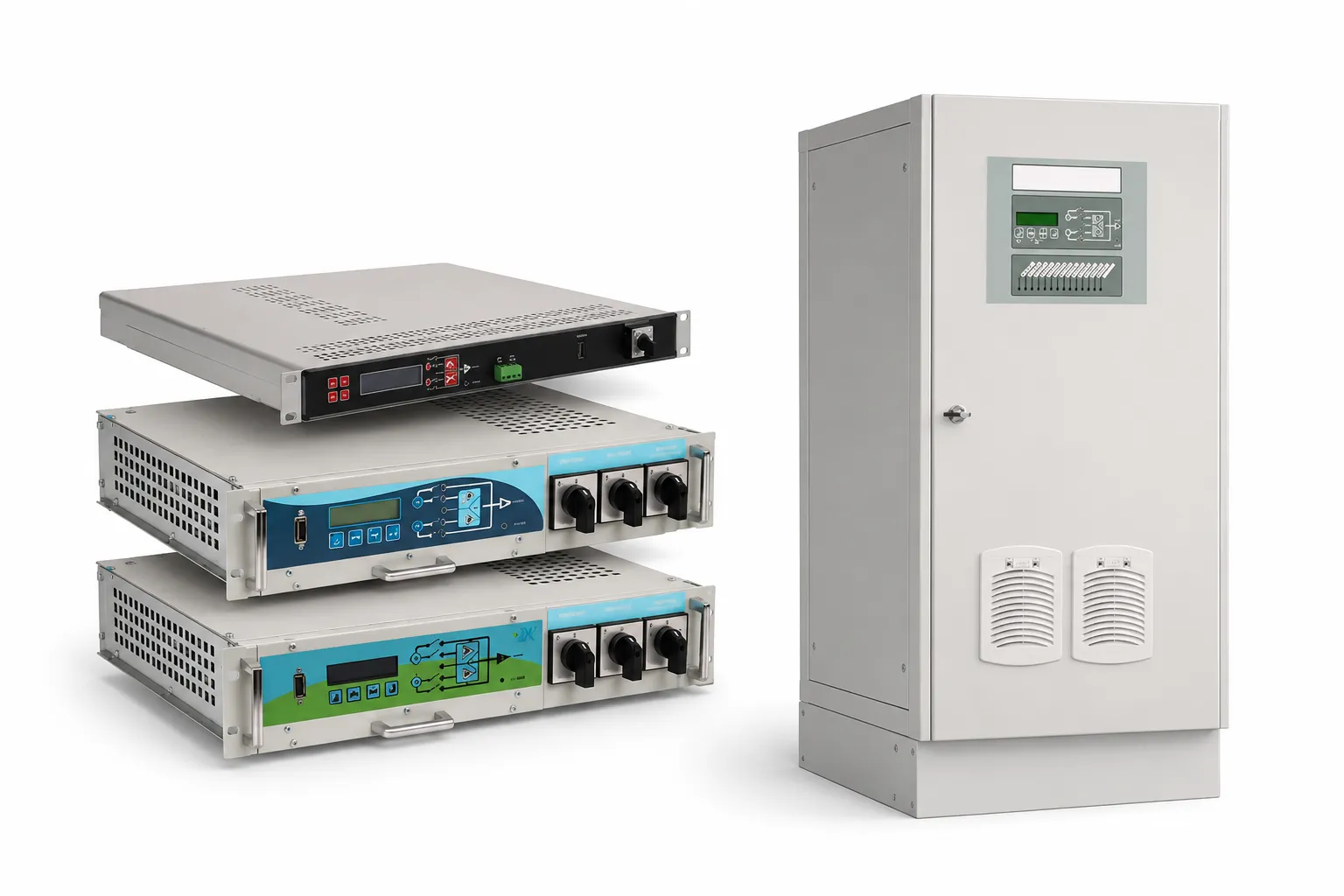
The generator meets the power demand, but very brief voltage fluctuations can occur when it takes over or when loads change suddenly. Payment systems, servers, registration and broadcast equipment and lighting desks may restart at these moments or lose data.
Feeding this equipment through a rental UPS has two key advantages:
- Seamless transfer: Equipment keeps running even during the switch from mains to generator.
- Clean power: An online UPS conditions the power from the generator and supplies a stable voltage to sensitive equipment.
For more on how UPS and generators work together, see our article can a UPS and a generator be used together. At ELSIPOWER we can plan both generator and UPS rental from a single team.
Short Checklist for Exhibition Organisers
- Collect electrical requirement forms from exhibitors early.
- List common area loads separately.
- Share the site layout with the generator company.
- Choose a generator position away from visitor flow but accessible.
- Plan for installation to be completed before stand build-up.
- Make sure there is an on-site technician and a refuelling plan throughout the fair.
- Consider UPS support for stage, payment and broadcast systems.
Fair Timeline: Power Plan from Installation to Dismantling
| Stage | Electrical work |
|---|---|
| Before the fair | Survey, load analysis, generator and distribution plan |
| Installation days | Generator positioning, main and field boards, stand circuits |
| Stand build-up | Temporary power for exhibitors, handover of socket boxes |
| Fair days | On-site standby, load monitoring, refuelling |
| Dismantling | Planned power-down of stands, removal of cables and boards |
Remember that power is also needed during stand build-up. Electric hand tools, lighting and screen tests require power on installation days too.
Tips for Exhibitors
- Notify the organiser in advance of the power ratings of all equipment on the stand.
- Specify high-power heaters, ovens or machines separately.
- Consider a small UPS for payment and registration systems that must not be interrupted.
- Use undamaged cables of suitable cross-section on the stand; avoid daisy-chained power strips.
Safety and Earthing
Exhibition grounds are crowded, busy places. That is why residual current protection on all distribution boards, proper earthing of generators and boards, cable ramps on walkways and lockable boards that unauthorised people cannot access should be standard. These measures ensure the safety of both visitors and stand staff.
Where Generators Fit in Indoor Hall Exhibitions
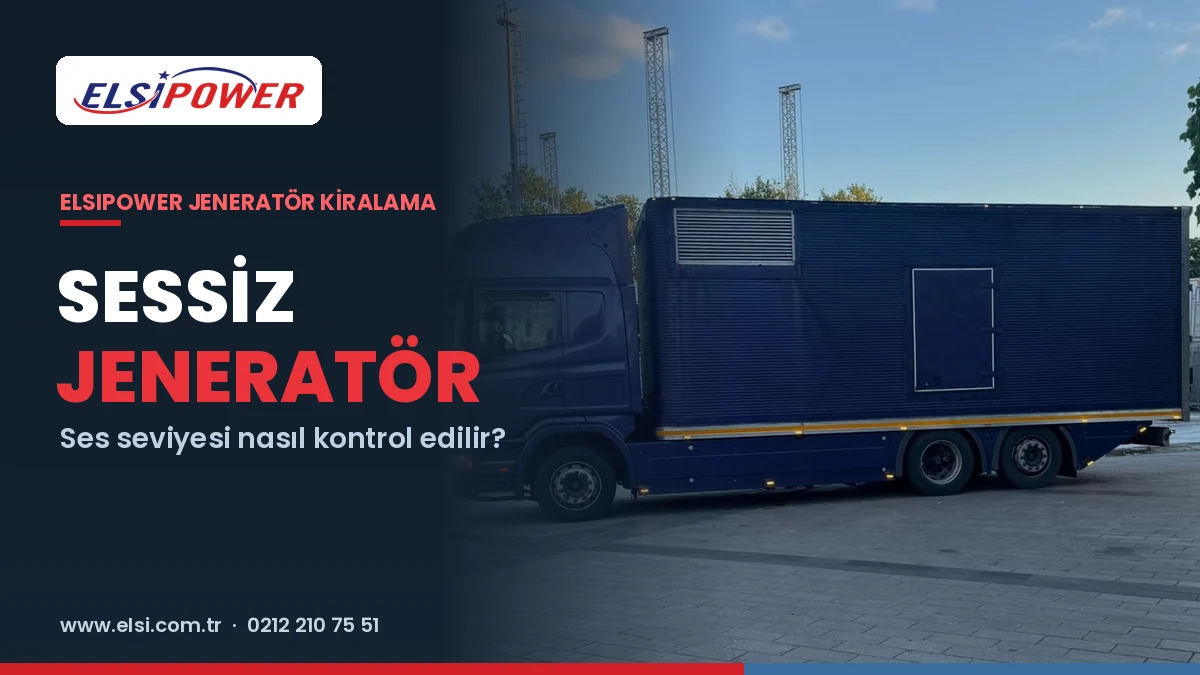
In indoor exhibition halls, power usually comes from the hall’s own infrastructure, but this is not always enough. Stands displaying heavy machinery, large LED screens, live demo areas or event zones spilling outside the hall may need extra power. In that case the generator is placed outside the hall in a suitable area and power is carried in by cable. The extra power needed is then supplied safely without straining the hall’s existing capacity.
At ELSIPOWER we prepare generator rental plans for both outdoor and indoor hall exhibitions and provide UPS support for systems that must not be interrupted from the same team.
Frequently Asked Questions
Can I rent a generator for a single stand?
Yes. A generator of suitable power can be rented for stands located outdoors or where hall capacity is not enough.
Who monitors the generator’s fuel during the fair?
The technician team on site throughout the fair monitors fuel levels and refuelling, so exhibitors do not need to deal with it.
Does the generator run at night during multi-day fairs?
This is planned according to needs. Loads that must run overnight, such as security lighting and refrigeration, are identified and other circuits can be switched off.
Can we use our own extension leads on the stands?
Suitably rated, sound equipment can be used within the stand, but for safety the main distribution and stand feeds should run through the boards planned by the generator company.
Let’s plan generators and UPS for your exhibition together
Send us the fair dates, site layout and stand list; we will prepare a generator rental plan with per-stand distribution and, if needed, UPS support. You can call us on 0212 210 75 51 or send an email to elsi@elsi.com.tr.