Contents
- The Difference Between kVA and kW
- Step-by-Step Generator Sizing
- Sample Calculation: Mid-Size Outdoor Concert
- General Approach by Event Type
- One Large Generator or Several?
- UPS Support for Sensitive Equipment
- Common Mistakes
- Things to Consider Besides Power
- Information to Prepare for Sizing
- Frequently Asked Questions
When planning a concert, exhibition, wedding or corporate event, the most common technical question is: “What size generator (kVA) do I need?” A generator that is too small can overload and stop at the most critical moment. One that is too large burns fuel for nothing, is harder to transport and position, and runs inefficiently at low load.
In this guide we explain in plain language how generator power for events is calculated, which loads need to be taken into account, and give sample calculations by event type. The aim is to help you describe your needs accurately before requesting a rental quote.
The Difference Between kVA and kW
Generators are usually rated in kVA (apparent power), while equipment is mostly labelled in kW (active power). The two are linked by the power factor. The commonly accepted power factor for generators is 0.8:
- kVA = kW ÷ 0.8
- For example, a total load of 80 kW corresponds to about 100 kVA of generator power.
So adding up the kW values on equipment labels and choosing a generator with the same number in kVA is a mistake; the difference often results in insufficient power.
Step-by-Step Generator Sizing
1. List all loads
Make a list of everything that will draw power at the event site. The main load groups at a typical event are:
| Load group | Examples |
|---|---|
| Sound system | Speakers, amplifiers, mixer, monitors |
| Lighting system | Moving lights, LED bars, follow spots, effect units |
| Video | LED screens, projectors, cameras, control room |
| Backstage and office | Dressing room lighting, computers, charging points |
| Catering | Coffee machines, warmers, coolers, ovens |
| Climate control | Air conditioners, heaters, fans |
| General lighting | Site, path and car park lighting |
Sound, lighting and video crews usually work with a technical rider. It states the power requirements of the equipment and is the most reliable source for the calculation.
2. Consider diversity
Not all devices on the list run at maximum output at the same time. Catering equipment, for example, peaks at certain times, while the lighting system peaks during the show. Total power is therefore assessed according to how much equipment will run simultaneously. However, for critical loads such as the stage, do not be optimistic; everything may run together during the show.
3. Add a safety margin
A 20–25% safety margin is usually added to the calculated total. This covers sudden load increases, equipment added later and keeps the generator from being constantly pushed at full load.
4. Plan phase balance
Event generators are three-phase, but most equipment on site is single-phase. If loads are not spread evenly across phases, one phase overloads while the others stay idle. Good distribution board planning lets you draw more power, more safely, from the same generator.
5. Do not forget inrush currents
Air conditioners, coolers and motor-driven equipment can draw several times their normal current when starting. At events with many such loads, sizing must also cover these momentary peaks.
Sample Calculation: Mid-Size Outdoor Concert
| Load | Estimated power |
|---|---|
| Sound system | 25 kW |
| Lighting system | 35 kW |
| LED screens | 20 kW |
| Backstage, control room and catering | 15 kW |
| Total | 95 kW |
Adding a 25% safety margin to 95 kW gives about 119 kW. Converting to kVA: 119 ÷ 0.8 ≈ 149 kVA. In this case a 150 kVA generator would be at its limit, so the next size up or a two-generator solution separating stage and catering is safer.
Note: These figures only illustrate the calculation method. Actual values vary with equipment brand, model and use.
General Approach by Event Type
- Meetings, panels and small receptions: Sound, limited lighting and catering loads are usually covered in the lower power ranges.
- Weddings and outdoor receptions: Lighting, sound, catering and especially kitchen loads are decisive. See our guide to generator rental for outdoor weddings.
- Exhibitions and stands: The number of stands and each stand’s power requirement are added up; distribution is planned per stand.
- Concerts and festivals: Sound, lighting and LED screen loads are high; several generators or a synchronised system are often needed.
One Large Generator or Several?
At large events, splitting loads into zones is often better than connecting everything to a single generator:
- Separating stage and catering: A fault in the kitchen does not affect the stage.
- Redundancy: With twinpack or n+1 setups, the event continues even if one generator has a problem.
- Synchronised systems: Several generators run in parallel to form a single powerful grid that scales with load.
UPS Support for Sensitive Equipment
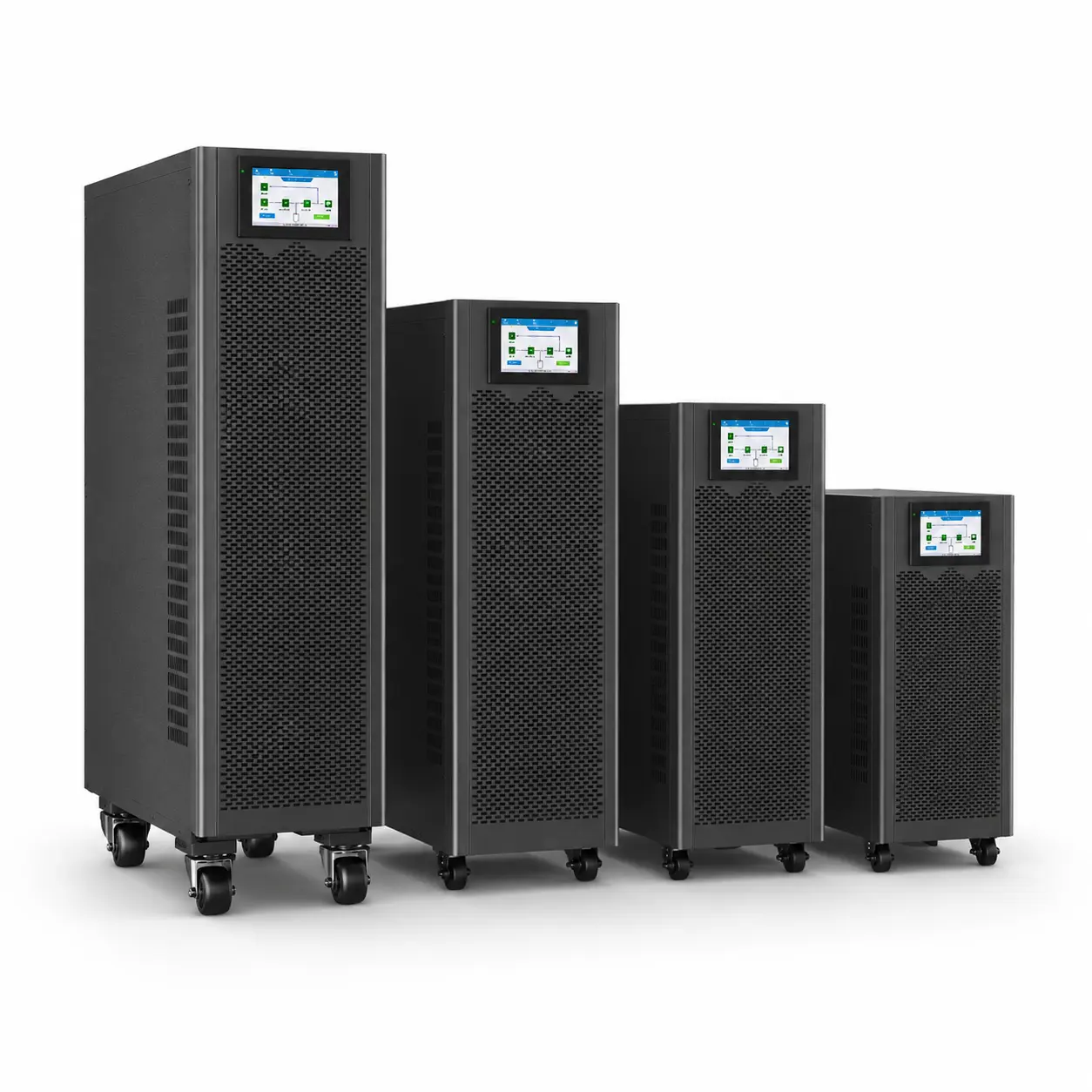
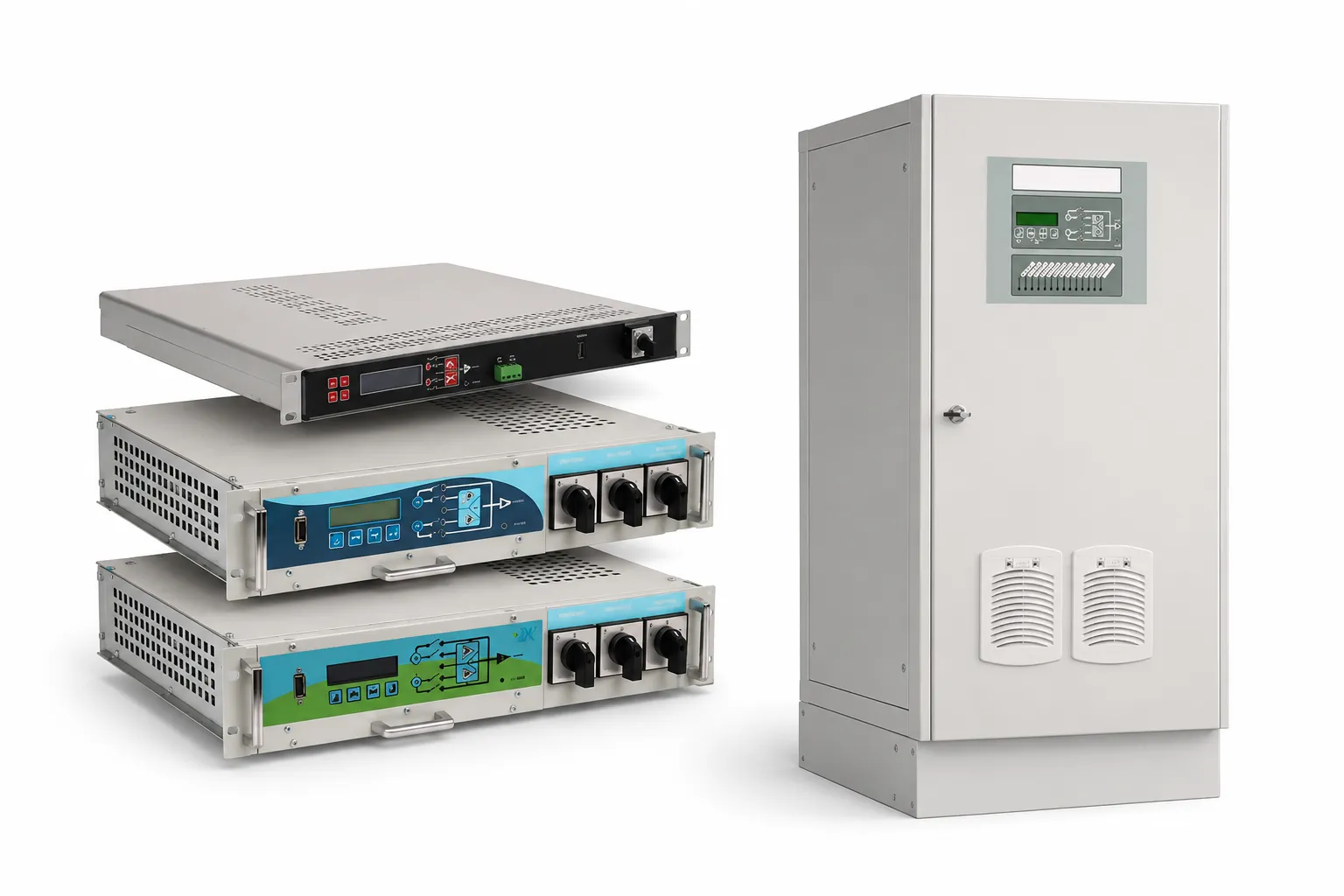
Very brief voltage fluctuations can occur when a generator takes over or when loads change. Live broadcast equipment, control room computers, lighting desks and recording systems may restart at these moments. Feeding this equipment through a rental UPS provides uninterrupted, clean power. We explain this in detail in our article can a UPS and a generator be used together.
Common Mistakes
- Choosing power without seeing the technical rider: Estimates usually fall below actual needs.
- Confusing kW with kVA: The difference leads to insufficient power.
- Leaving no safety margin: Last-minute equipment pushes the generator to its limit.
- Forgetting catering and climate loads: Heaters and kitchen equipment draw more power than expected.
- Ignoring phase balance: Even with enough total power, a single phase can overload.
Things to Consider Besides Power
Cable distance and voltage drop
The longer the distance between generator and stage, the greater the voltage drop in the cables. If the right cross-section is not chosen for long runs, equipment at the far end receives low voltage even if the generator has enough power. That is why sizing should be planned together with the generator’s position and cable route.
Running time and fuel
How many hours the generator runs during the event determines whether the tank is sufficient and how refuelling is planned. For multi-day events, refuelling times are set in advance so as not to disrupt the event.
Ambient conditions
In very hot weather and at high altitude, the power a generator can deliver may drop somewhat. For outdoor summer events this should be reflected in the power choice.
Venue access
How trailer-mounted generators will reach the venue, ground load capacity and parking space are checked during the survey. Sometimes access constraints mean several smaller generators are preferred over one large unit.
Information to Prepare for Sizing
- Event date, start and end times, rehearsal days,
- Site layout and the position of the stage and catering area,
- Technical riders from the sound, lighting and video crews,
- List of catering and climate control equipment,
- Whether there is existing electrical infrastructure at the venue,
- Equipment that cannot tolerate interruptions (broadcast, recording, payment systems).
A survey based on this information ensures the right power is chosen and avoids unnecessary costs.
Frequently Asked Questions
Can I calculate the generator size myself?
You can make a rough estimate, but the final choice requires a load analysis based on the technical rider. We do this calculation with you during the survey.
What if I don’t have a technical rider?
Sharing the equipment list and event programme is enough. We can work with the sound, lighting and video crews to finalise the loads together.
Is choosing a generator that is too large harmful?
Not directly, but a diesel generator running at low load for long periods is inefficient and fuel costs rise. Correct sizing is better in every respect.
What happens if the load increases during the event?
The safety margin is there to cover such increases. At large events, additional power can be brought online with synchronised systems if needed.
Let’s determine the right generator size for your event
Send us the event date, venue and equipment list; we will carry out the load analysis and prepare a suitable generator rental plan. You can call us on 0212 210 75 51 or send an email to elsi@elsi.com.tr.