Contents
- Symptoms of Voltage Problems in CNC Machines
- How Does a Voltage Regulator Protect a CNC Machine?
- 6 Criteria When Choosing a Voltage Regulator for CNC
- Servo or Static Regulator?
- What to Watch During Installation
- Is a UPS Needed for CNC?
- Common Mistakes
- Information to Prepare Before Requesting a Quotation
- Regulator Maintenance and Long Service Life
- Frequently Asked Questions
Computer-controlled production equipment such as CNC machines, lathes, vertical machining centres and laser cutters is extremely sensitive to voltage changes in the mains. A sudden voltage drop can cause drive errors, scrapped workpieces and even failure of expensive control boards. That is why one of the most frequently asked questions in workshops and factories is: “How do I choose a voltage regulator for a CNC machine?”
In this guide we explain in plain language the symptoms of voltage problems in CNC machines, the criteria to consider when choosing a regulator, and the difference between servo and static regulators.
Symptoms of Voltage Problems in CNC Machines
Voltage-related problems are often mistaken for machine faults. If you regularly experience the following symptoms, you should have your mains quality checked:
- Unexplained alarms and error codes on the drives or the control unit,
- The machine stopping or resetting by itself during machining,
- Poorer surface finish, dimensional errors and a rising scrap rate,
- Overheating of the spindle and servo motors,
- Frequent failures of control boards, drives and power supplies,
- Problems that appear especially at shift changes or when neighbouring plants are running.
In industrial zones, heavy loads fed from the same line, long supply lines and transformers running close to capacity cause the voltage to change frequently during the day. CNC machines are among the equipment most affected by these fluctuations.
How Does a Voltage Regulator Protect a CNC Machine?
A voltage regulator continuously monitors the variable voltage coming from the grid and keeps the output voltage supplied to the machine stable. When the voltage drops it boosts it; when it rises it lowers it. This way the CNC control system, drives and motors operate at the voltage intended by the manufacturer.
Remember that a regulator does not protect against outages. When power is cut completely, the regulator cannot supply energy; for that you need an uninterruptible power supply. In CNC applications, the whole machine is usually protected by a regulator, while the control unit and computer are protected separately by a small UPS.
6 Criteria When Choosing a Voltage Regulator for CNC
1. Phase configuration: single-phase or three-phase?
Most industrial CNC machines run on a three-phase supply and require a three-phase regulator. For small desktop CNC routers and engraving machines, a single-phase regulator may be sufficient. Always check the supply information on the machine's rating plate and the electrical drawings.
2. Correct power (kVA) calculation
Regulator power is determined according to the total power on the machine's rating plate, with sufficient headroom added. In CNC machines, the current drawn by the spindle motor at start-up and during heavy cutting is noticeably higher than in normal operation. A regulator sized right at the limit struggles at these moments. If several machines will be connected to one regulator, whether they run at the same time must also be taken into account.
3. Input voltage range
How far the mains in your facility drops and rises during the day is the most important factor in choosing a regulator. That is why it is recommended to measure the mains for a period of time before selection. The regulator's input range should comfortably cover the lowest and highest voltage in your facility.
4. Independent per-phase regulation
Imbalance between phases is common on three-phase networks; one phase may be low while another is normal. Regulators that correct each phase separately protect CNC machines much better on unbalanced networks. When requesting a quotation, be sure to ask whether the regulator provides independent per-phase control.
5. Response speed
CNC drives react quickly to sudden voltage changes. The faster the regulator corrects, the less likely the machine is to feel these changes. In applications where speed matters, static regulators stand out.
6. Protection and bypass features
Over- and under-voltage protection, overload and short-circuit protection, and a maintenance bypass switch are essential in industrial use. Thanks to the bypass, production can continue without stopping while the regulator is being serviced.
Servo or Static Regulator?
| Feature | Servo regulator | Static regulator |
|---|---|---|
| Operating principle | Mechanical correction with a motorised variac | Electronic (thyristor / IGBT) correction |
| Response speed | Slower | Very fast |
| Moving parts | Yes (brush, motor) | None |
| Maintenance need | Periodic maintenance required | Less maintenance |
| Best suited for | Wide-range, slowly changing networks | Sensitive electronics, CNC, automation |
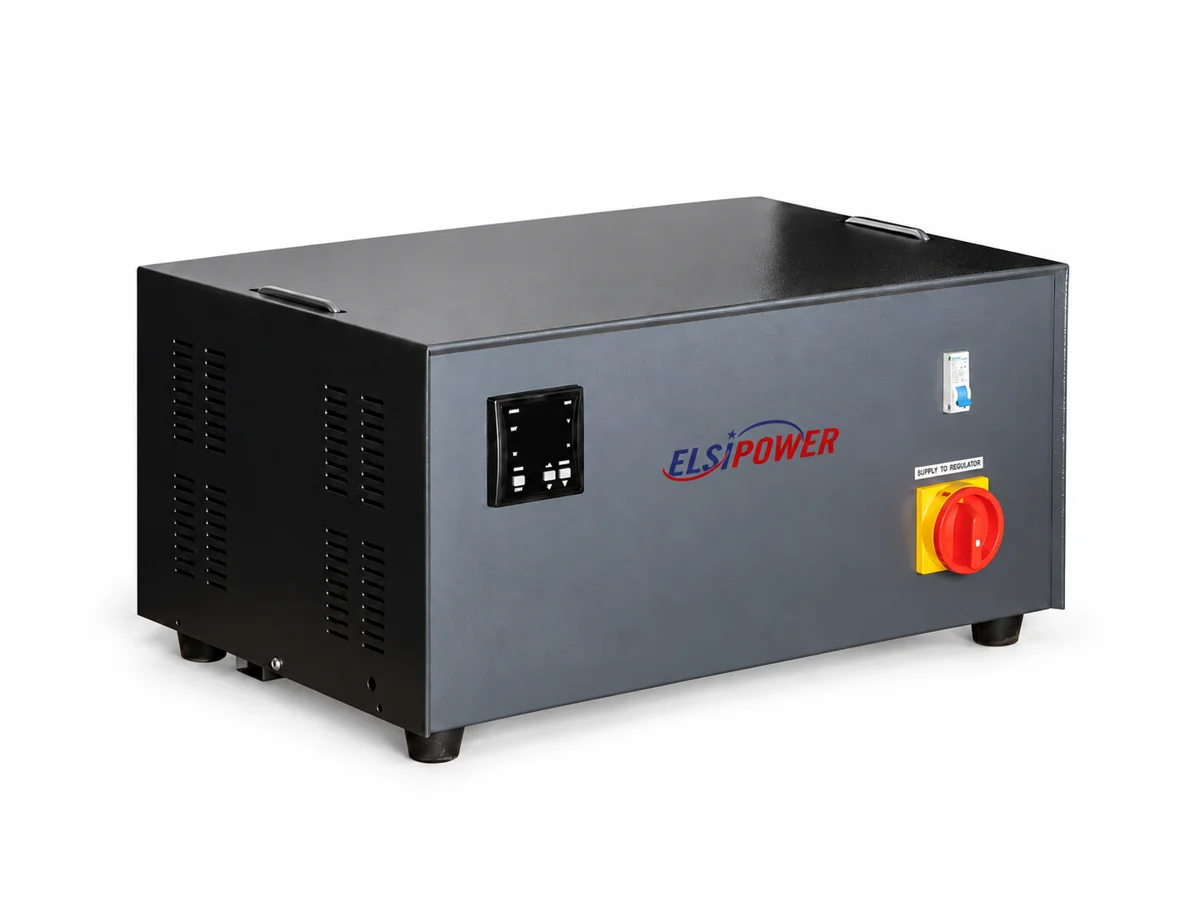
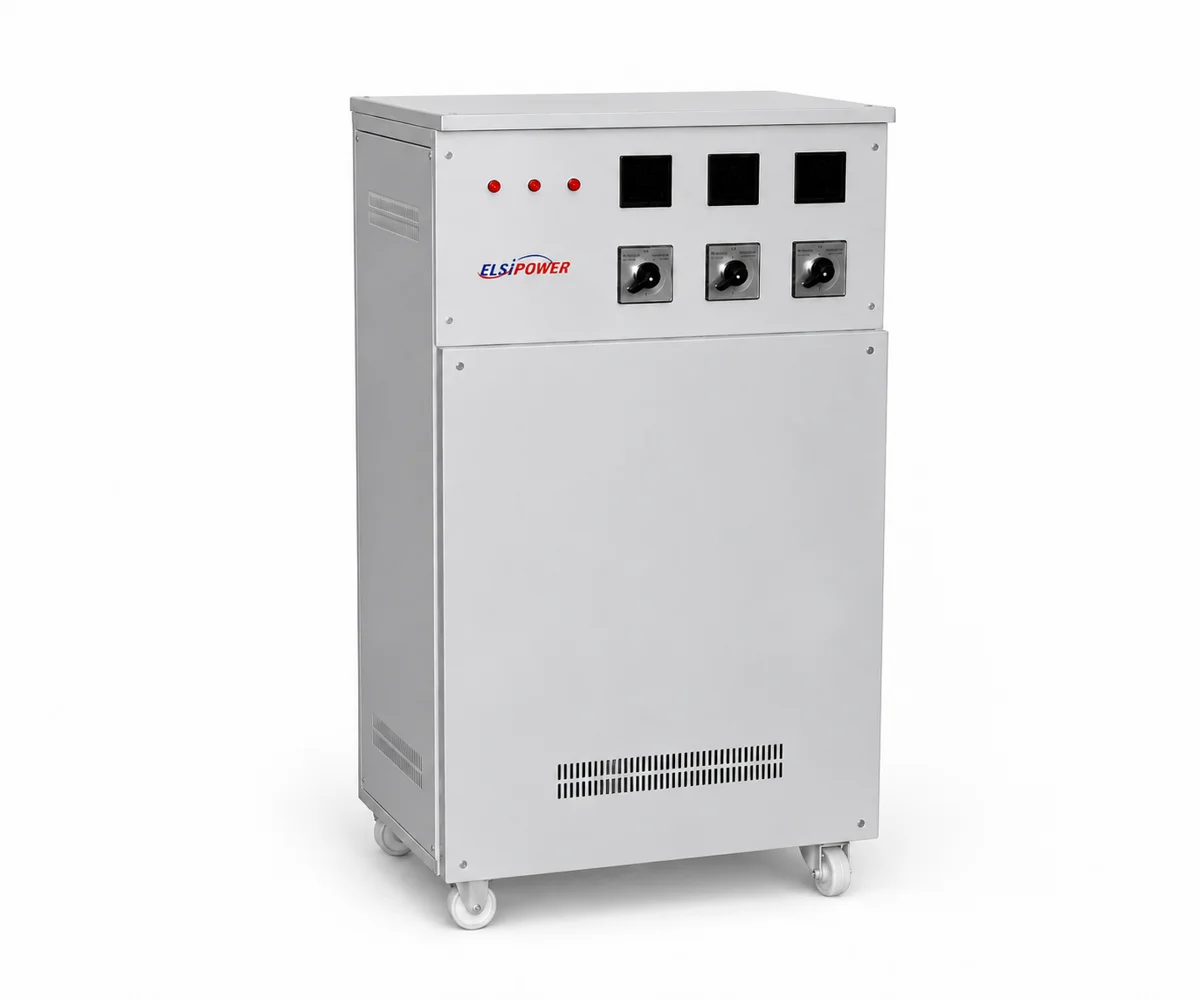
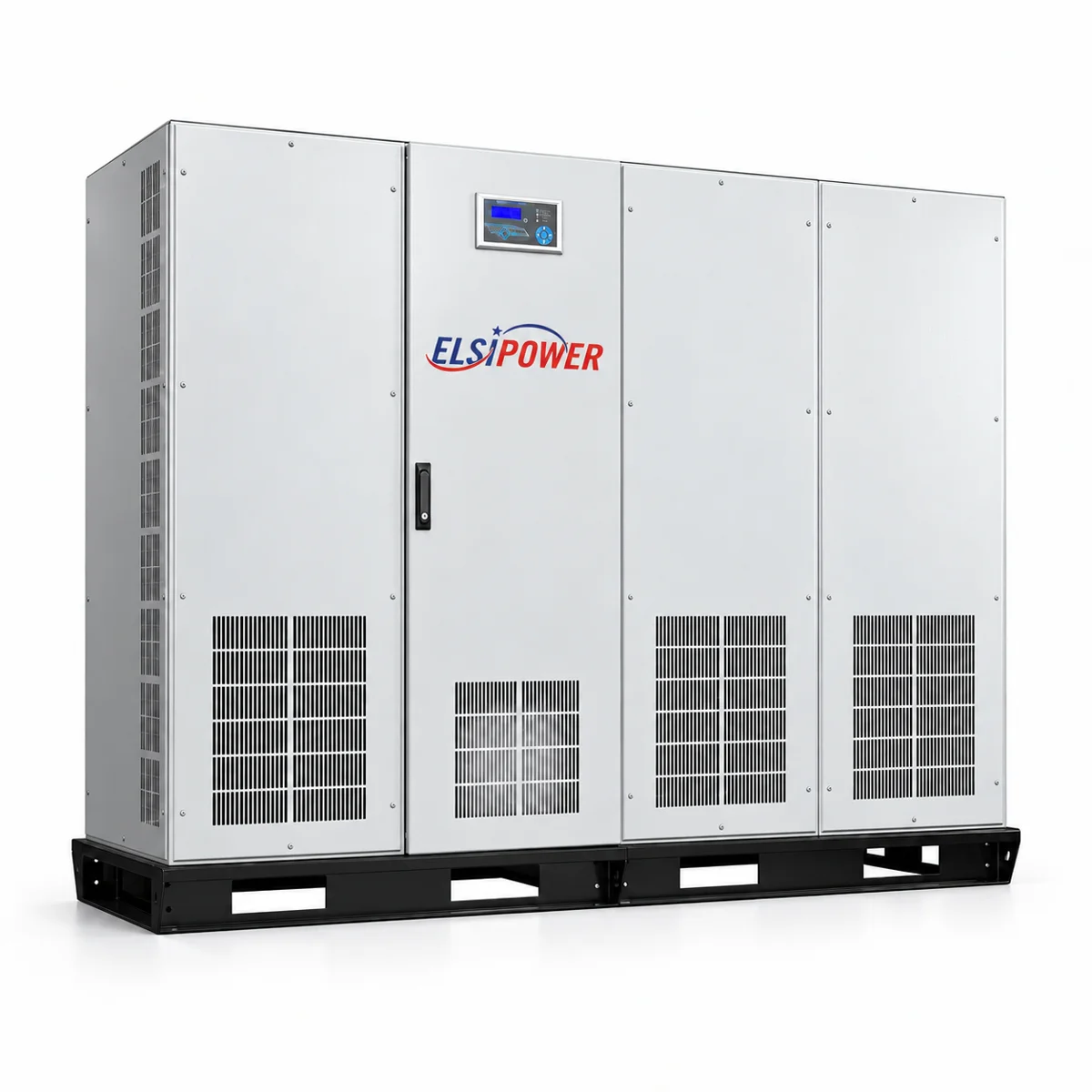
Three-phase servo regulators are common in general industrial use thanks to their wide input range and high power options. Three-phase static regulators, having no moving parts and correcting very quickly, are frequently preferred for sensitive applications such as CNC, laser cutting and automation. For a detailed comparison of the two technologies, see our article what is a voltage regulator, servo vs static.
What to Watch During Installation
- Earthing: The regulator and the machine must be connected to a proper earthing system. Poor earthing causes noise and fault problems that a regulator cannot solve.
- Cable cross-sections: Cables between the regulator and the machine must be sized for the current.
- Location: The regulator should be placed in a well-ventilated area away from dust, moisture and direct heat. In environments with chips and oil mist, a suitable protection class should be chosen.
- Measurement: Measuring mains values before and after installation is the soundest way to confirm the regulator is working correctly.
Is a UPS Needed for CNC?
A regulator solves voltage fluctuations but does not prevent the machine from stopping uncontrolled at a sudden outage. If you experience problems at outages such as the program being lost, the tool getting stuck in the workpiece or the axes losing position information, it is worth protecting the CNC control unit and computer separately with an uninterruptible power supply. This allows the machine to be stopped safely during an outage.
For large production lines where the whole facility must be protected against outages, high-power online or modular UPS solutions are considered as needed. Our guide UPS selection for factories can help with this.
Common Mistakes
- Sizing power at the limit: When motor starting currents are not considered, the regulator is strained and fails early.
- Choosing without measuring: A regulator bought without knowing the mains range may not cope with the actual fluctuation.
- Ignoring phase imbalance: Regulators that control from a single point may fall short on unbalanced networks.
- Neglecting maintenance: Servo regulators in particular require regular checks of brushes and mechanical parts.
Information to Prepare Before Requesting a Quotation
Determining the right regulator for your CNC machine quickly and accurately depends on having complete information. Preparing the following before requesting a quotation shortens the process considerably:
- Machine rating plate: Brand, model, supply voltage, number of phases and total power.
- Spindle and axis motors: Motor ratings and, if available, drive information.
- Number of machines: How many machines will be connected to the regulator and whether they run at the same time.
- Mains observations: At what times problems occur and any voltage measurements already taken.
- Installation location: Dimensions of the area where the regulator will be placed, and dust and temperature conditions.
With this information the regulator is neither oversized nor undersized; your investment is shaped exactly to your needs.
Regulator Maintenance and Long Service Life
A correctly chosen regulator can run without problems for many years, but this requires regular checks. In servo regulators, wear of the brushes and carbon surfaces, cleanliness of the motorised variac mechanism and tightness of the connection points should be checked periodically. In static regulators, keeping fans, ventilation channels and electronic boards free of dust is the priority.
In an industrial environment, chips, oil mist and dust make cooling the regulator harder. That is why maintenance intervals should be planned more frequently than in an office environment. Regular maintenance prevents unexpected stoppages and ensures you get the full benefit of the regulator's protection.
Frequently Asked Questions
Is it mandatory to fit a regulator to a CNC machine?
Not if your mains is stable. However, voltage fluctuation is very common in industrial zones, and the cost of a single failed drive often exceeds the investment in a regulator.
Can several CNC machines be connected to one regulator?
Yes, it is possible if total power and simultaneous operation of the machines are calculated correctly. However, in large facilities machine-based solutions can also be considered so that a problem in one machine does not affect the others.
Is a static regulator better than a servo regulator?
Not for every application. A static regulator is fast and needs little maintenance; a servo regulator is advantageous where a wide input range is required. The choice should be based on mains measurement and the sensitivity of the machine.
I don't know how to determine the regulator power. What should I do?
Just send us the rating plate information of your machines and the electrical measurements from your facility; let's determine the right regulator for your needs together.
Let's choose the right regulator for your CNC machine together
Send us the brand, model and rating plate information of your machines; together with our engineers, let's determine the servo or static voltage regulator suited to your mains conditions. You can call us on 0212 210 75 51 or send an email to elsi@elsi.com.tr.