VOLTAJ REGÜLATÖRÜ NEDİR? SERVO VE STATİK REGÜLATÖR ÇÖZÜMLERİ
Voltaj Regülatörü Nedir? Regülatör Ne İşe Yarar ve Neden Kullanılır?
8 Nisan
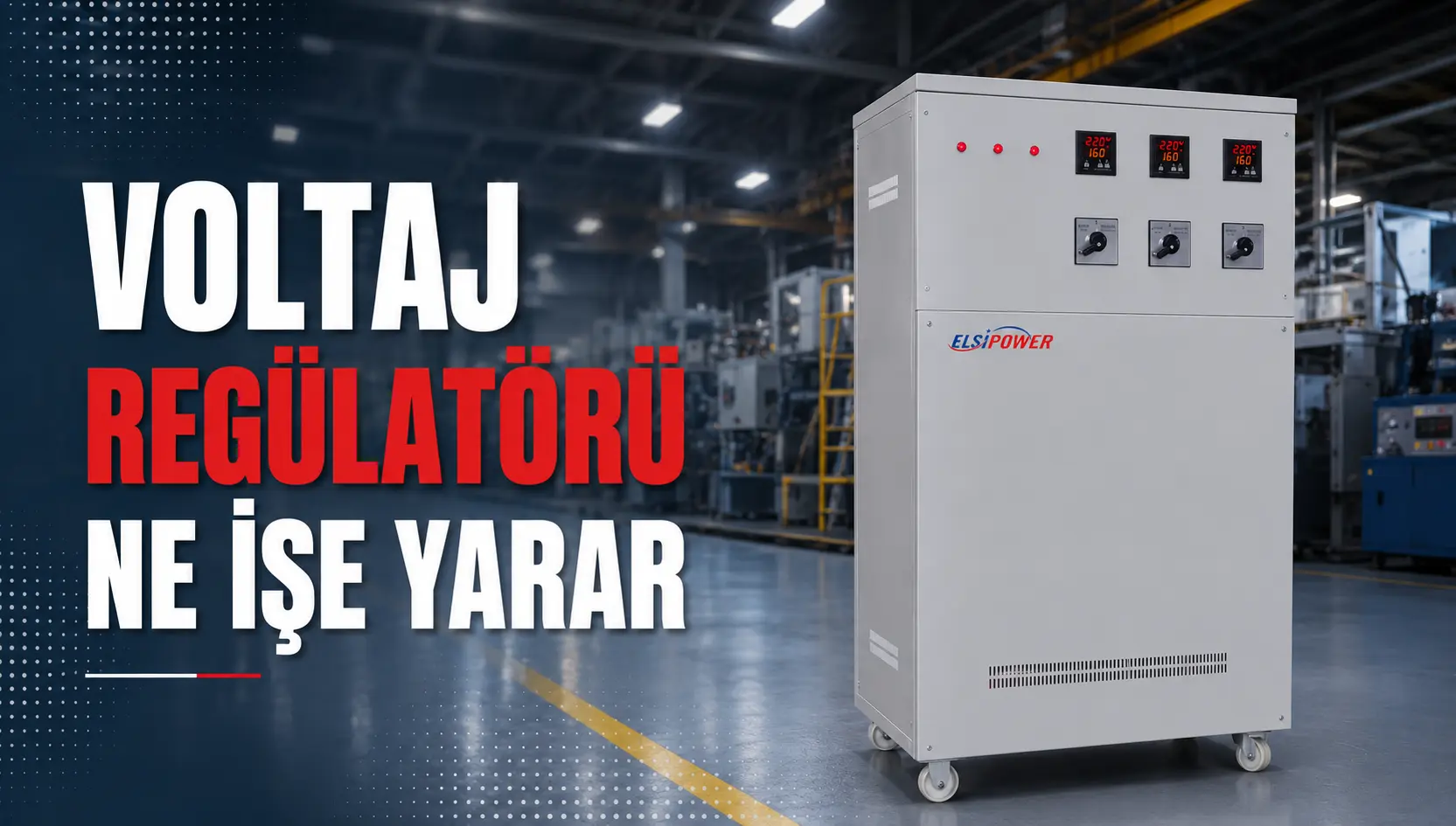
What is a Voltage Regulator? What Does It Do?
A voltage regulator is a power protection system that stabilizes the voltage coming from the electrical grid and provides safe and stable energy to devices. Electrical fluctuations, low voltage, high voltage, and sudden power changes can create serious risks, especially for sensitive electronic devices, industrial machinery, medical systems, and office equipment.
What Does a Voltage Regulator Do?
The main function of a voltage regulator is to control incoming electrical power and ensure the safe and efficient operation of connected equipment.
- Stabilizes electrical voltage.
- Helps prevent low and high voltage problems.
- Protects sensitive electronic devices.
- Reduces downtime risks in production lines.
- Contributes to longer equipment lifespan.
- Provides protection against sudden voltage fluctuations.
Why Are Voltage Fluctuations Important?
Irregular voltage changes in the electrical grid may cause electronic board failures, strain on motor-driven systems, and reduced equipment performance. For this reason, voltage regulation systems are considered an essential energy protection solution for businesses.
Where Are Voltage Regulators Used?
- Factories and manufacturing facilities
- CNC machines and industrial automation systems
- Offices and corporate buildings
- Servers, network, and data center systems
- Hospitals and medical equipment applications
- Telecommunication systems
- Stores, warehouses, and commercial facilities
How is a Voltage Regulator Installed?
Before installing a voltage regulator, the energy requirements of the facility must be analyzed. The total power demand, electrical infrastructure, single-phase or three-phase system requirements, and intended application area should be evaluated to select the most suitable regulator system.
- Energy requirements are analyzed.
- Power capacity is determined.
- Single-phase or three-phase regulator selection is made.
- Suitable electrical panel integration is planned.
- Installation and commissioning are completed.
What Affects Voltage Regulator Installation Costs?
Voltage regulator installation costs may vary depending on factors such as required power capacity, system type, electrical infrastructure, installation conditions, and project requirements. Therefore, a proper site assessment and needs analysis are essential for the right solution.
- Required regulator power capacity
- Single-phase or three-phase system preference
- Industrial or commercial application type
- Electrical panel and infrastructure condition
- Installation area and cabling requirements
- Additional protection system needs
What Should Be Considered When Choosing a Regulator?
- The system capacity should match the total power requirement.
- Grid voltage variations should be considered.
- The appropriate model should be selected based on the application area.
- Servo voltage regulators or automatic voltage regulator options should be evaluated.
- Technical support and after-sales service should be considered.
- Reliable and long-lasting energy solutions should be preferred.
Conclusion
A voltage regulator is an important power protection solution that protects devices against electrical fluctuations, improves power quality, and helps systems operate more safely and efficiently. Industrial voltage regulators, servo regulators, static voltage regulators, three-phase regulators, single-phase regulators, and automatic voltage regulation systems are widely preferred for safe energy management in factories, offices, hospitals, data centers, and commercial facilities.
Share